
My Journey
Buckle Up
This is a Wild Ride
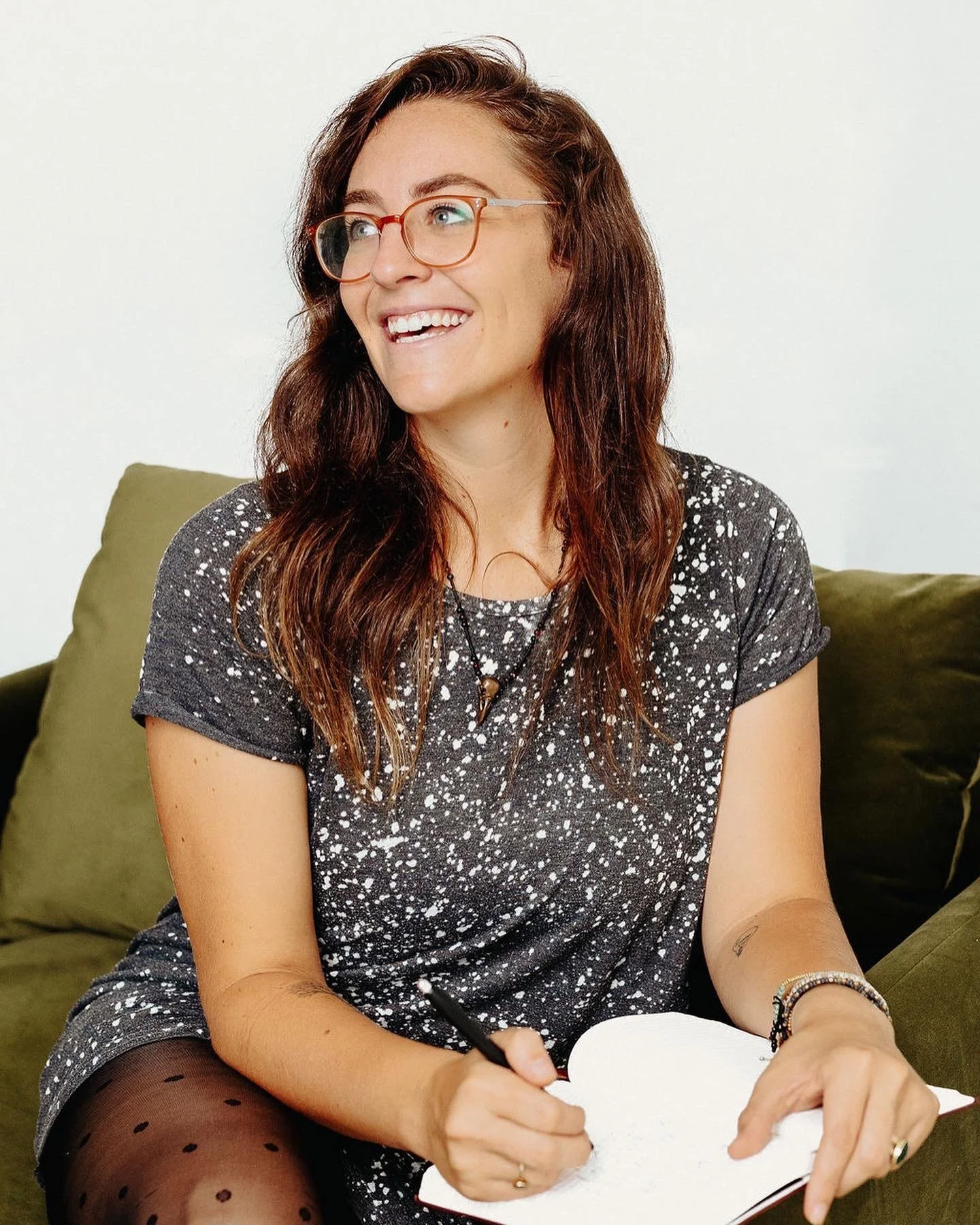
I didn’t set out to become a founder. I started as an anxious, overachieving artist with a camera and something to prove. I deeply believed that creativity wasn't a hobby. It was real work.
Photography eventually led me to telling the story of global dementia across Kenya, South Africa, Guatemala, and India. That work changed me. I saw what happens when artists stop just making beautiful things and start shaping how people see the world.
At some point I had a choice. Build a career around my own name, or build something bigger than me. I chose bigger, and that decision became the Developing Artist Collaboration (DAC) built from scratch with zero business training, no roadmap, and genuinely no idea what I was doing. Just belief and an insane resilience to figure it out in real time, which is a polite way of saying I learned everything the absolute hardest way possible.
Over the last decade DAC grew into a half million dollar creative workforce organization. I also burned out (multiple times), created art out of survival, got into some genuinely stressful debt (both me and DAC), and made leadership mistakes that cost me people I loved. But here's what all of it taught me: purpose doesn't unfold the way you plan. It unfolds the way it needs to.
And I wouldn't trade any of it.
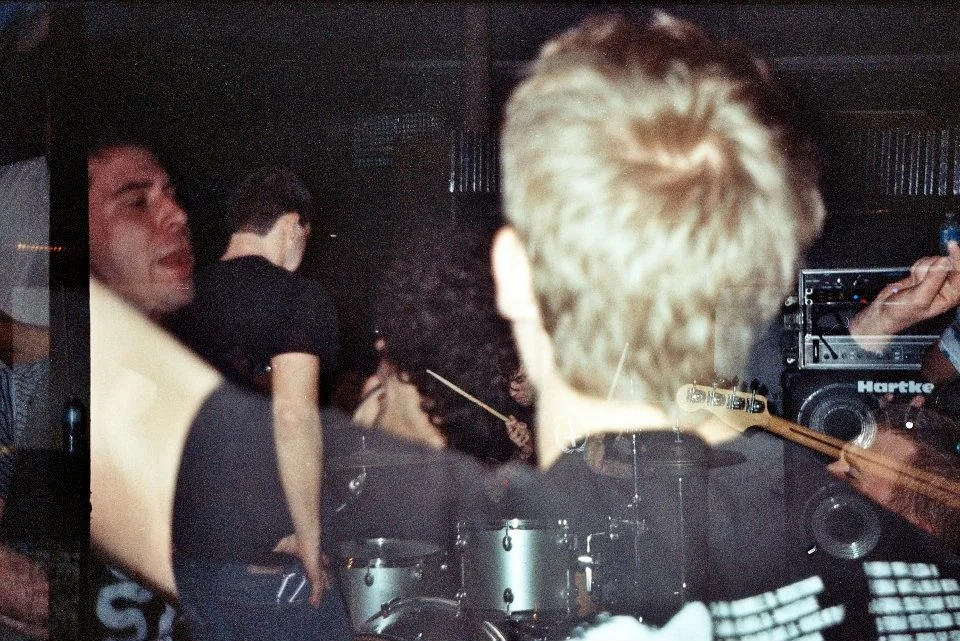
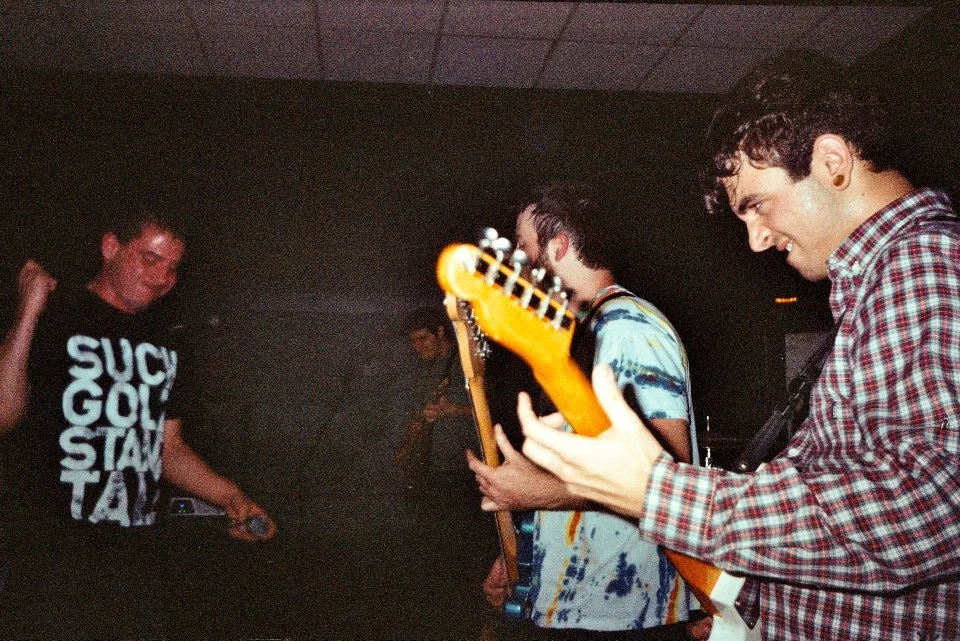
You probably wouldn’t think it started here…
Like so many Founders, it all started with not fitting in.
This all started with taking photos. In high school, going to shows made me feel so alive, so I started booking them, then snagging pictures at them (film of course, I was too cool). I wanted to travel and photograph bands, but fate had other plans. At 18 I had to choose between moving to Portland to tour with a band or a photo internship with a "famous" photographer.
I took the internship. Got fired after 4 months. Decided maybe art school was the best plan C.

Where it all began.
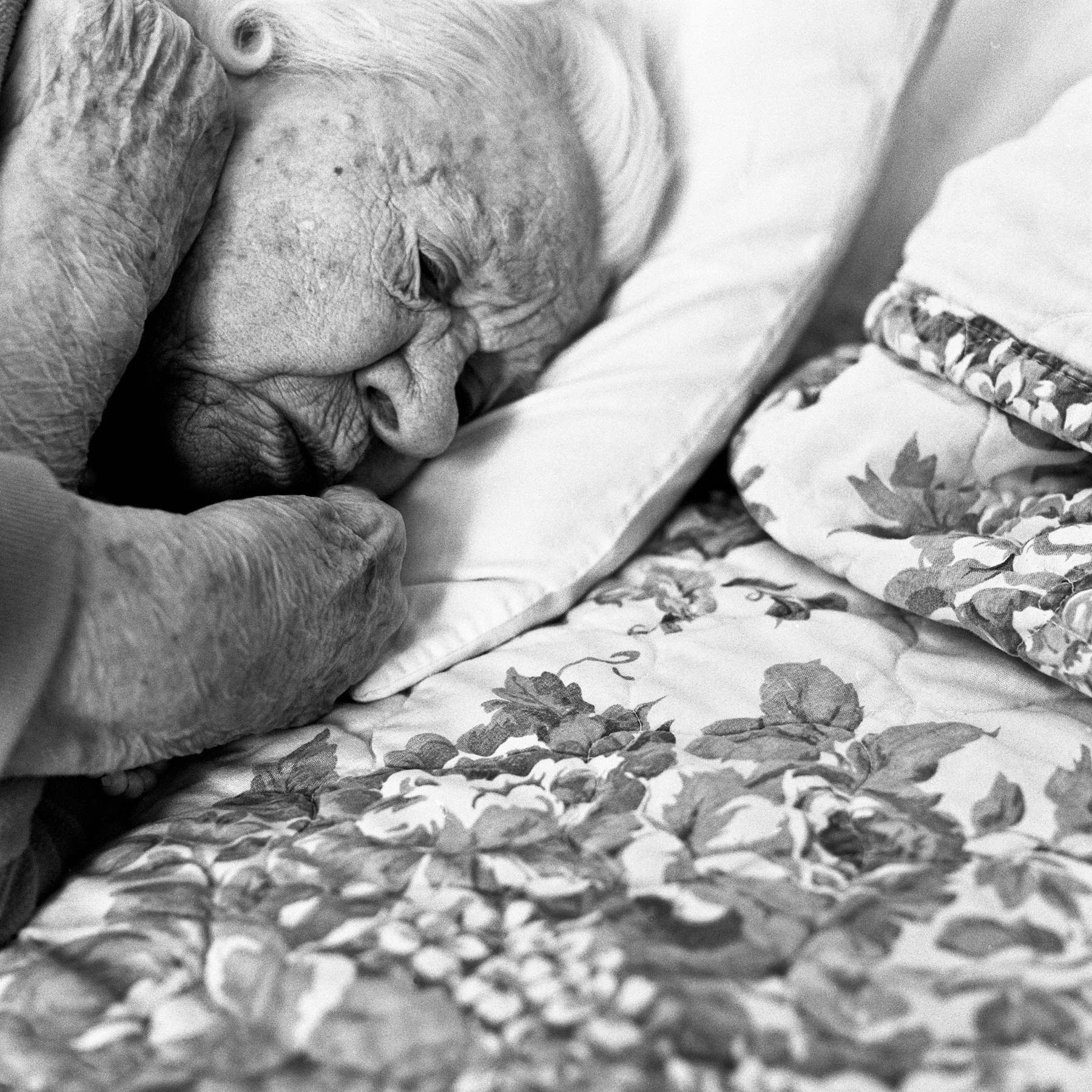
Waiting
For my final project in art school, I photographed my great-grandmother Treva, who was in her 13th year of living with dementia. I spent hours with her in the memory care unit. She didn't know who I was. Her days existed in a kind of suspended present, where the past flickered in and out and the future no longer existed. It felt like witnessing childhood in reverse.
That work earned a place in the 2011 Photo District News Photo Annual. So at 20, I left art school early and decided to figure out what it meant to be a photographer who told stories that actually mattered.




A One-Way Ticket with Purpose
After photographing my great-grandmother, I got obsessed with a pattern I kept noticing: stories about dementia in developing countries were always illustrated with photos of Western patients. I wanted to change that.
Through Global Vision International I found an opportunity to intern with a community development program in Shimoni, Kenya. In September 2014, I sold everything I owned and boarded a one-way flight to Shimoni.
I spent my time there using creative skills to support local education and economic initiatives — health guides for mothers, marketing tools for women's groups, visual resources that made real differences in people's lives. It was the first time I understood that art wasn't just something you made. It was something you used. I lived with a group of like-minded people all there to change the world too, which became a community that transformed me.
That environment and community became the seed of everything that followed.

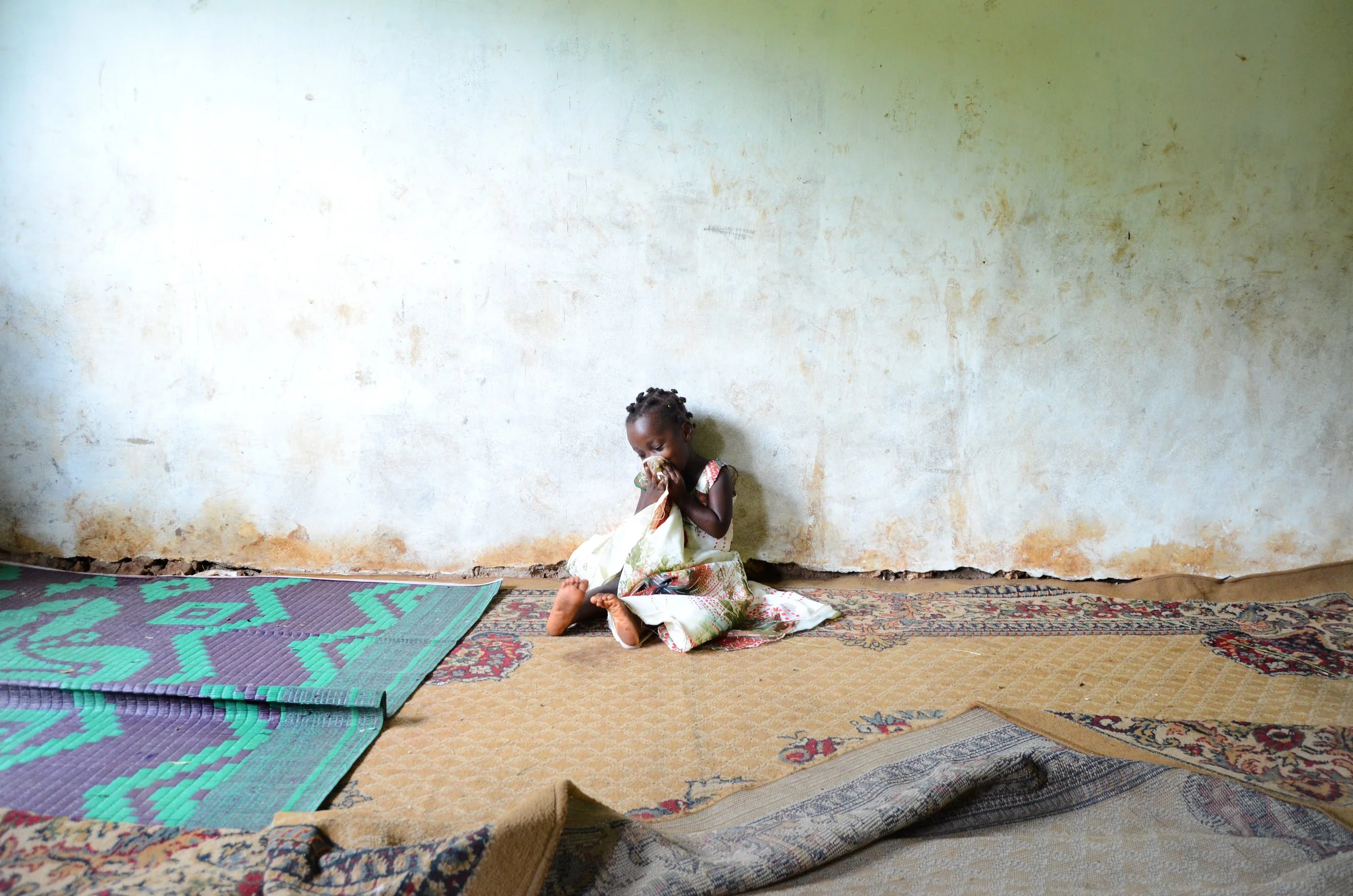


Bridging Worlds Through Photography

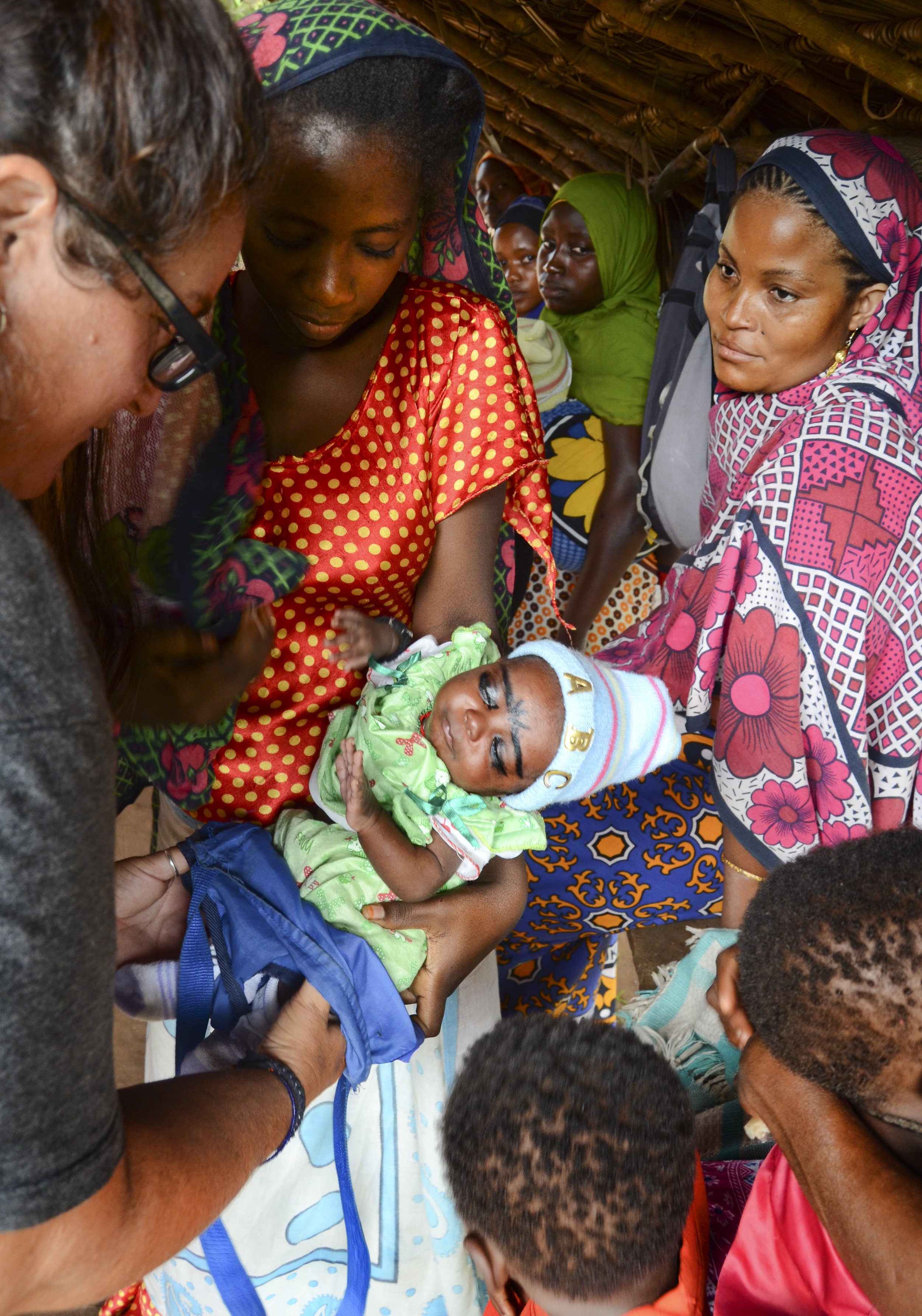
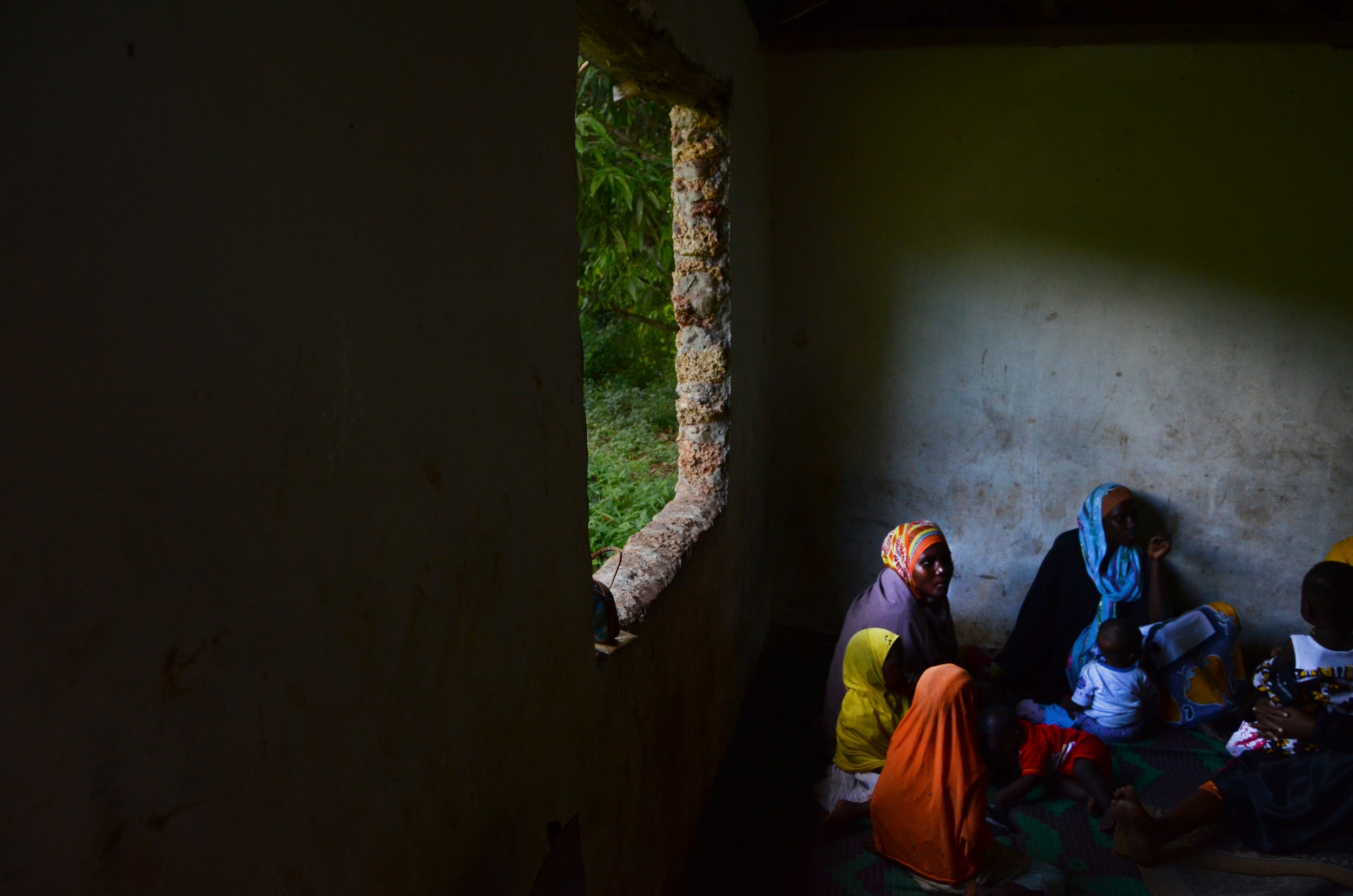
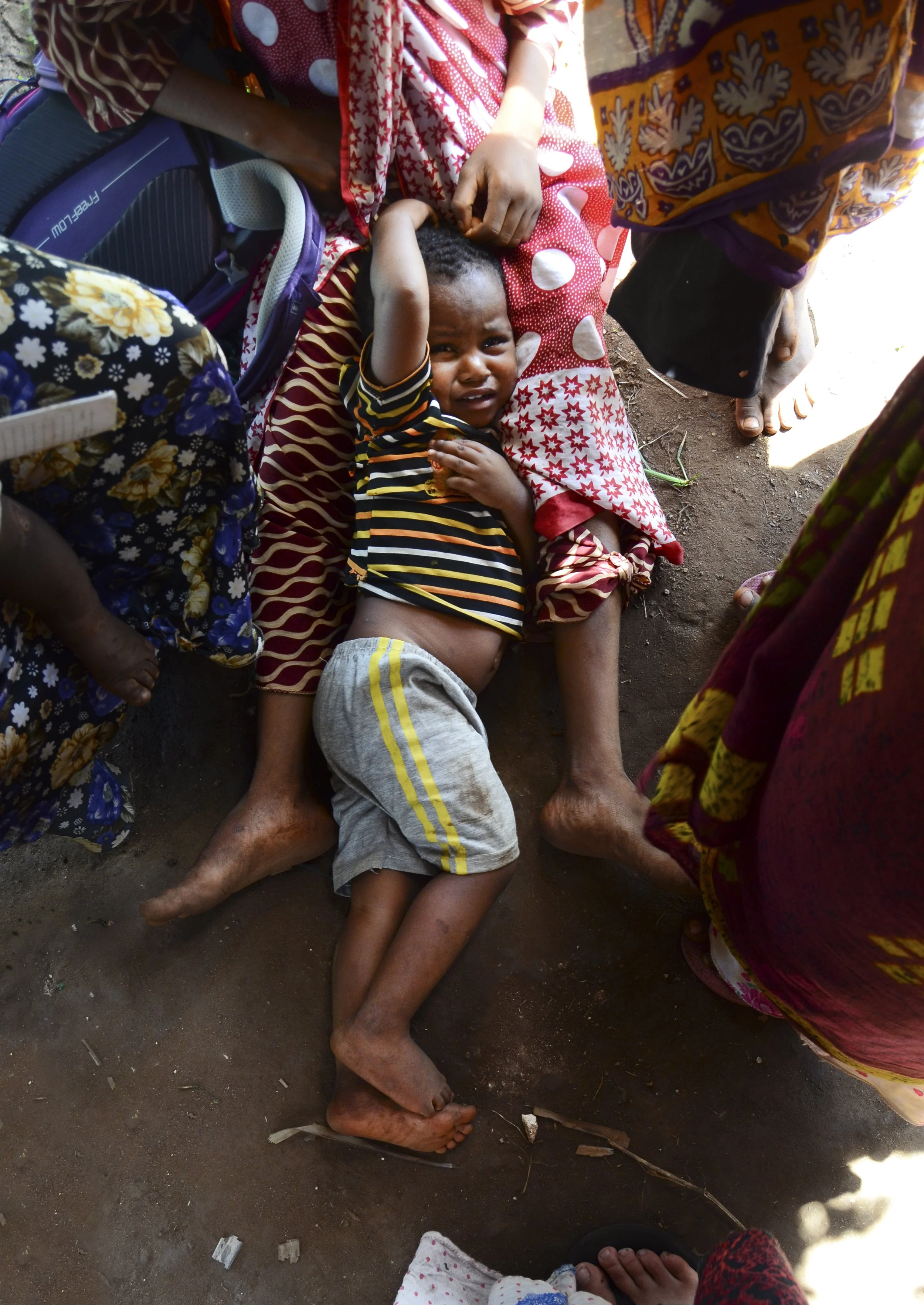
While in Kenya I worked alongside a local clinic supporting Community Health Workers in rural villages. Most medical care relied on volunteers, so a nurse practitioner or doctor was a rare luxury.
I partnered with a nurse from the UK to teach a session on dementia, but the symptoms she described weren't landing. So I pulled out photographs I'd taken of my great-grandmother. Suddenly something clicked. The CHWs immediately recognized those behaviors in members of their own community and started taking me to meet them.
What followed was some of the most meaningful work I've ever done and documenting lives that rarely get documented, using photography as a bridge between knowledge and empathy.


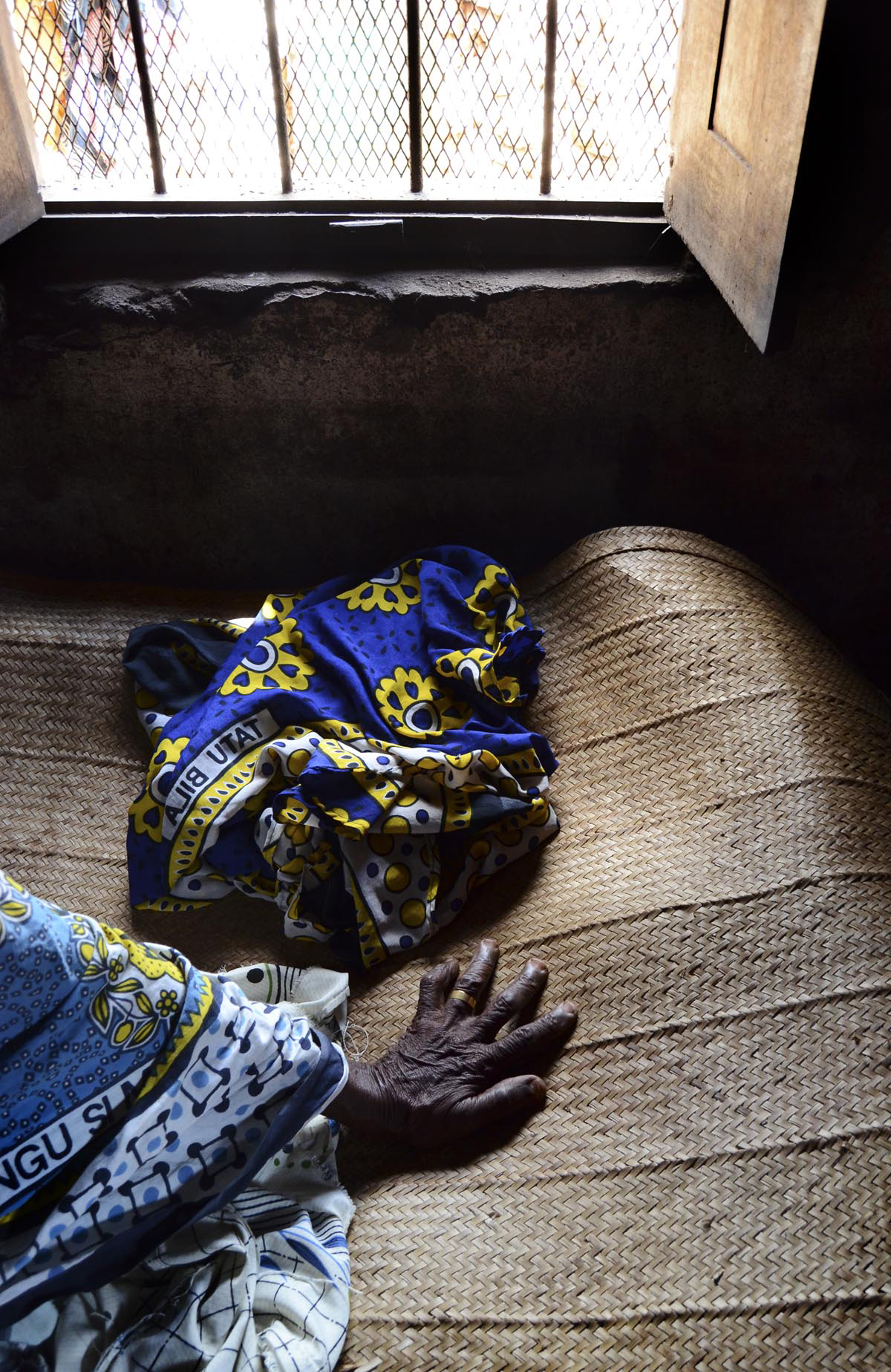

After Kenya I reached out to Alzheimer's South Africa, shared my images, and asked if I could continue the work there. They welcomed me to Cape Town and later invited me to Bloemfontein, a rural region outside Johannesburg.
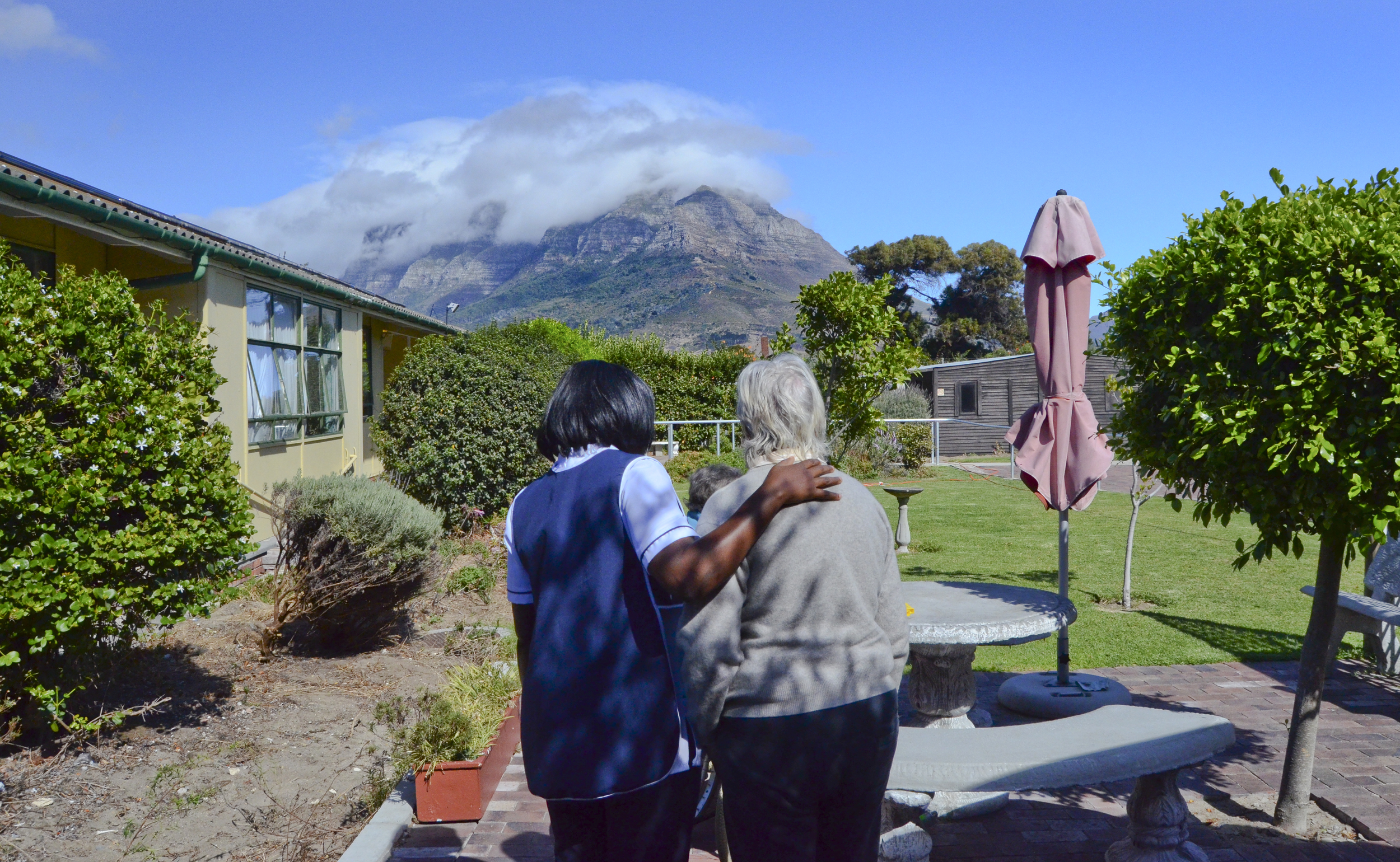
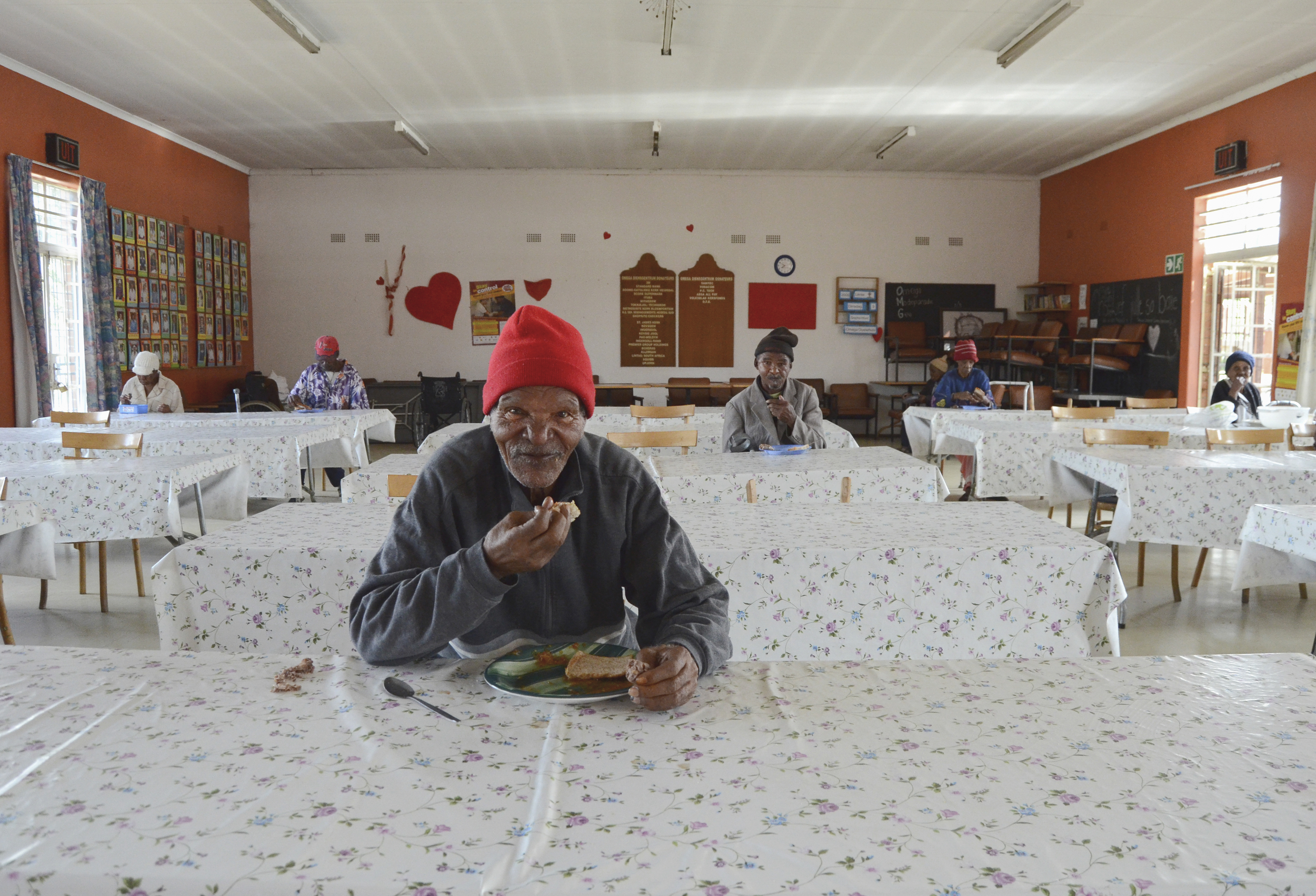
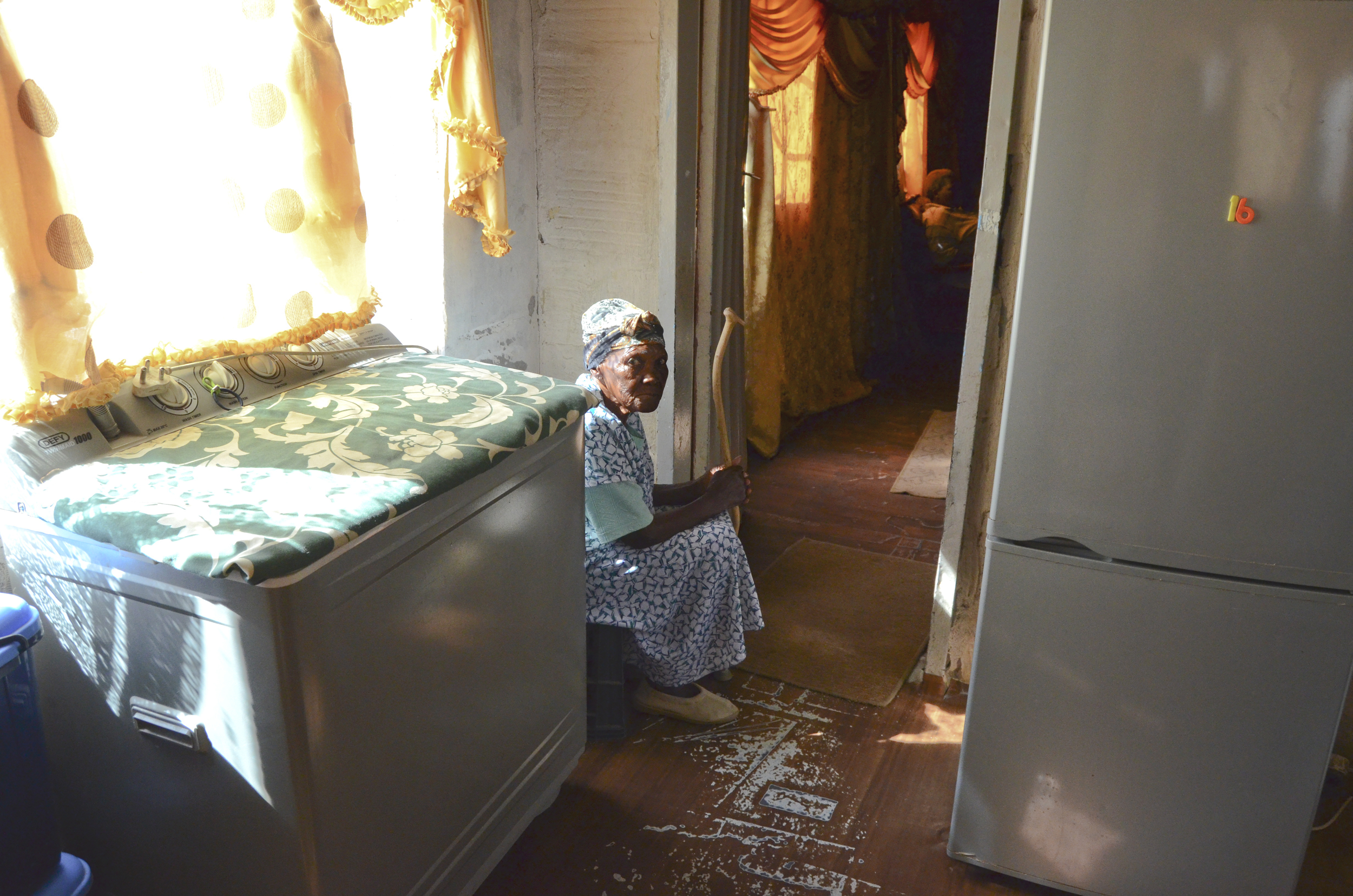
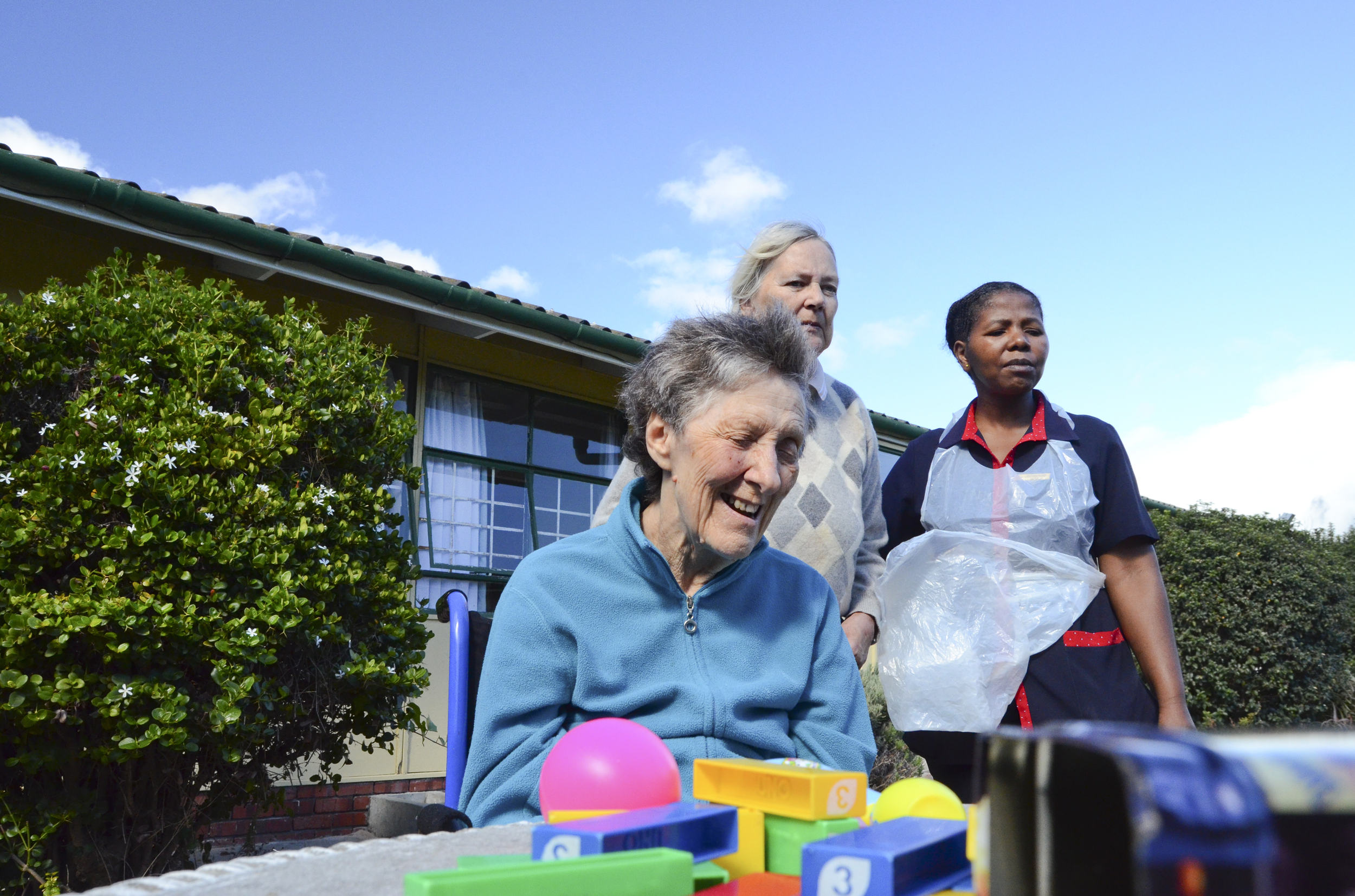
What I found there was harder. Elderly people with dementia in rural townships facing stigma, isolation, sometimes abuse. In some communities, the symptoms were believed to be signs of witchcraft.
I partnered with a Traditional Healer who guided me through these communities and explained that my photographs could help educate other healers and families — offering a new way to understand something that had been misunderstood for generations.
That felt like exactly why I picked up a camera in the first place.
Deepening the Work in South Africa




Expanding the Story in Guatemala
Back home in 2015 I couldn't stop. Research led me to Guatemala, one of the most progressive countries in the world when it comes to dementia support. With a translator and a lot of cold emails, I connected with Grupo Ermita Alzheimer and they welcomed me in.
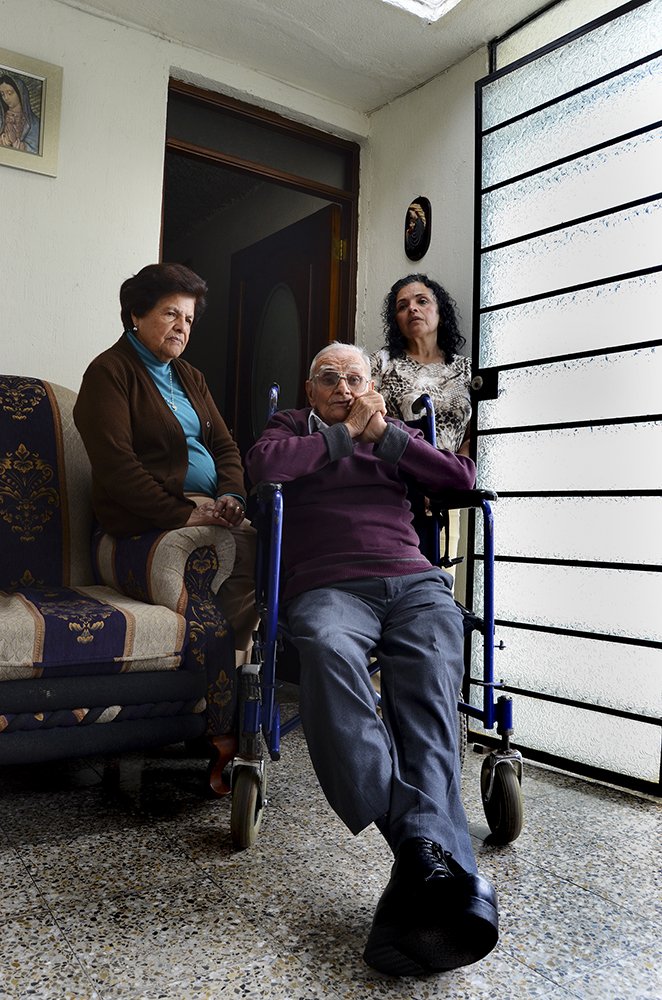
In March 2016 I flew to Guatemala City. I photographed a university graduation program dedicated to memory care, visited families with trained in-home caregivers, and saw how deeply rooted support systems can be even with limited resources.
The moment that stayed with me: a low-income zoña where a woman had opened a facility for abandoned elderly people with dementia and mental illness. A few caretakers, over 30 patients, some restrained for safety. But they had what they hadn't had anywhere else… food, warmth, and love.




A few months after Guatemala, I shared the full photo series with Alzheimer's Disease International, the very organization whose website had sparked this whole journey. They were moved by the work, licensed the images across their global network, and then invited me to London to discuss continuing it.
I was 25 and being flown to London. It was a dream come true.
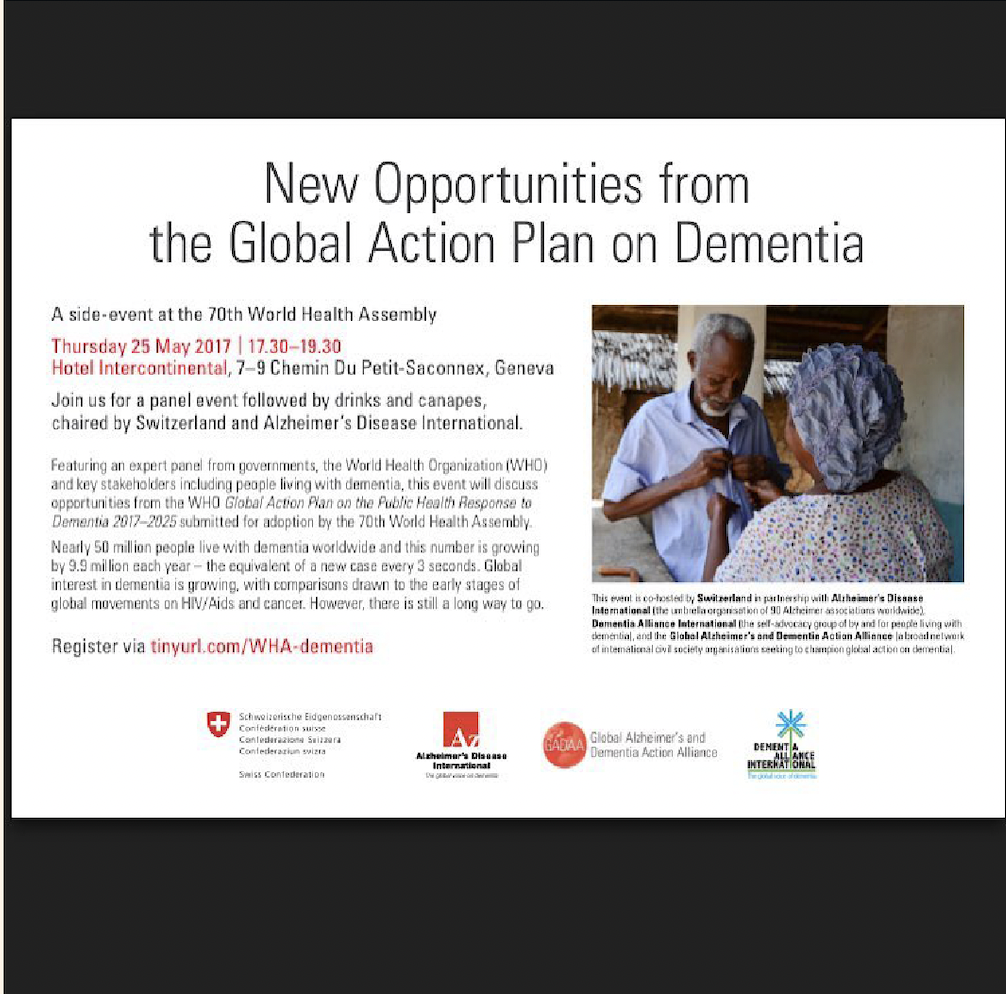
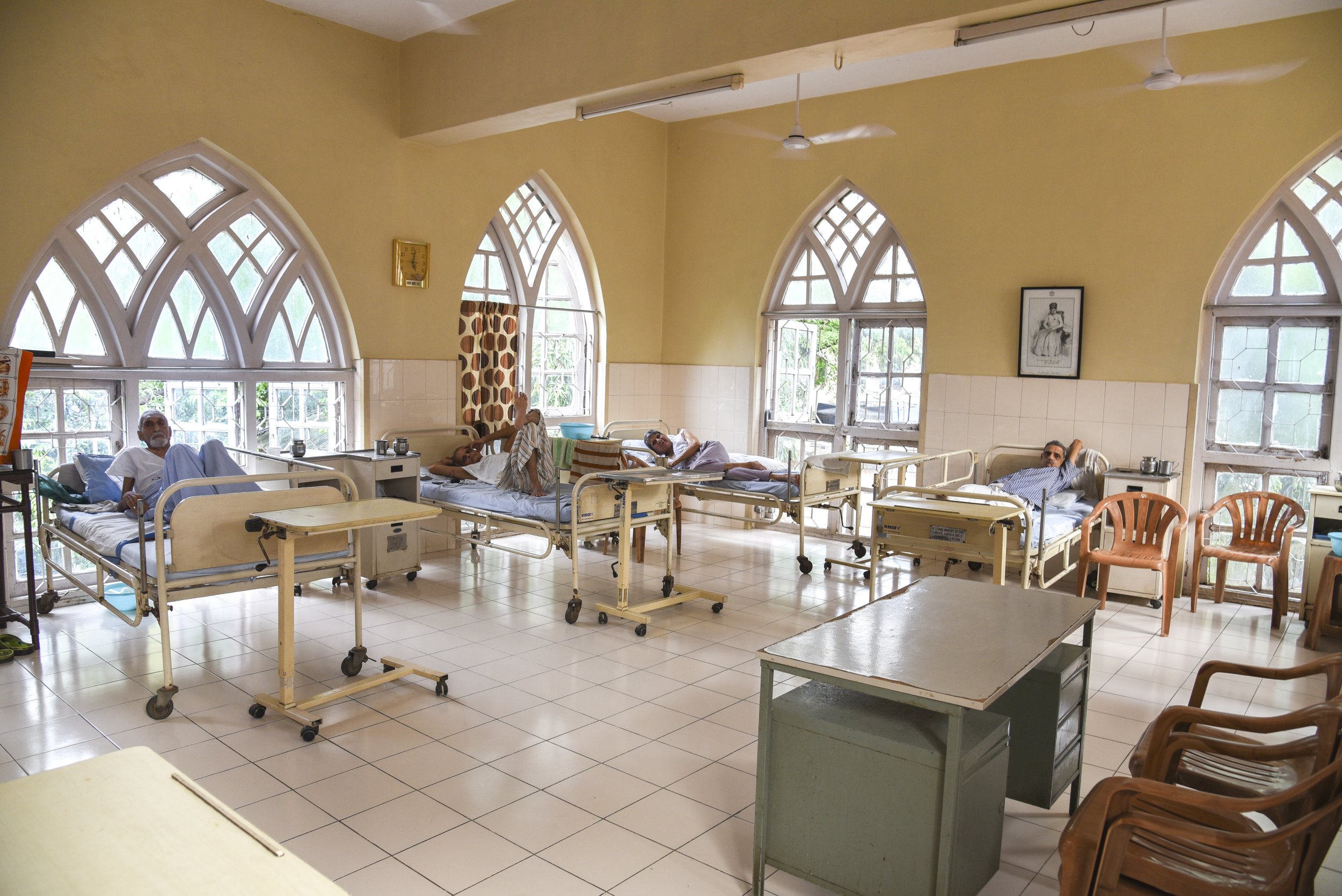
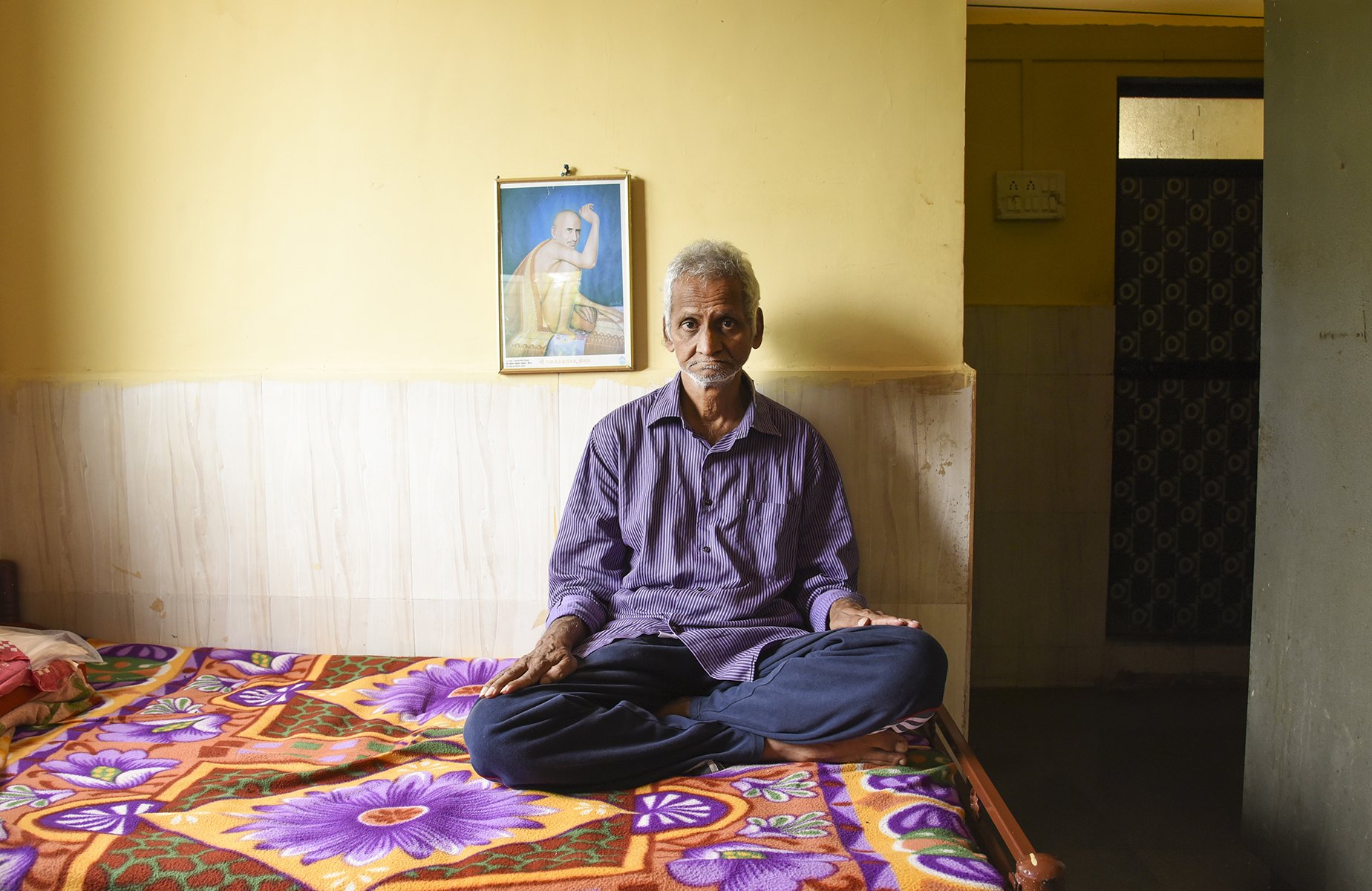
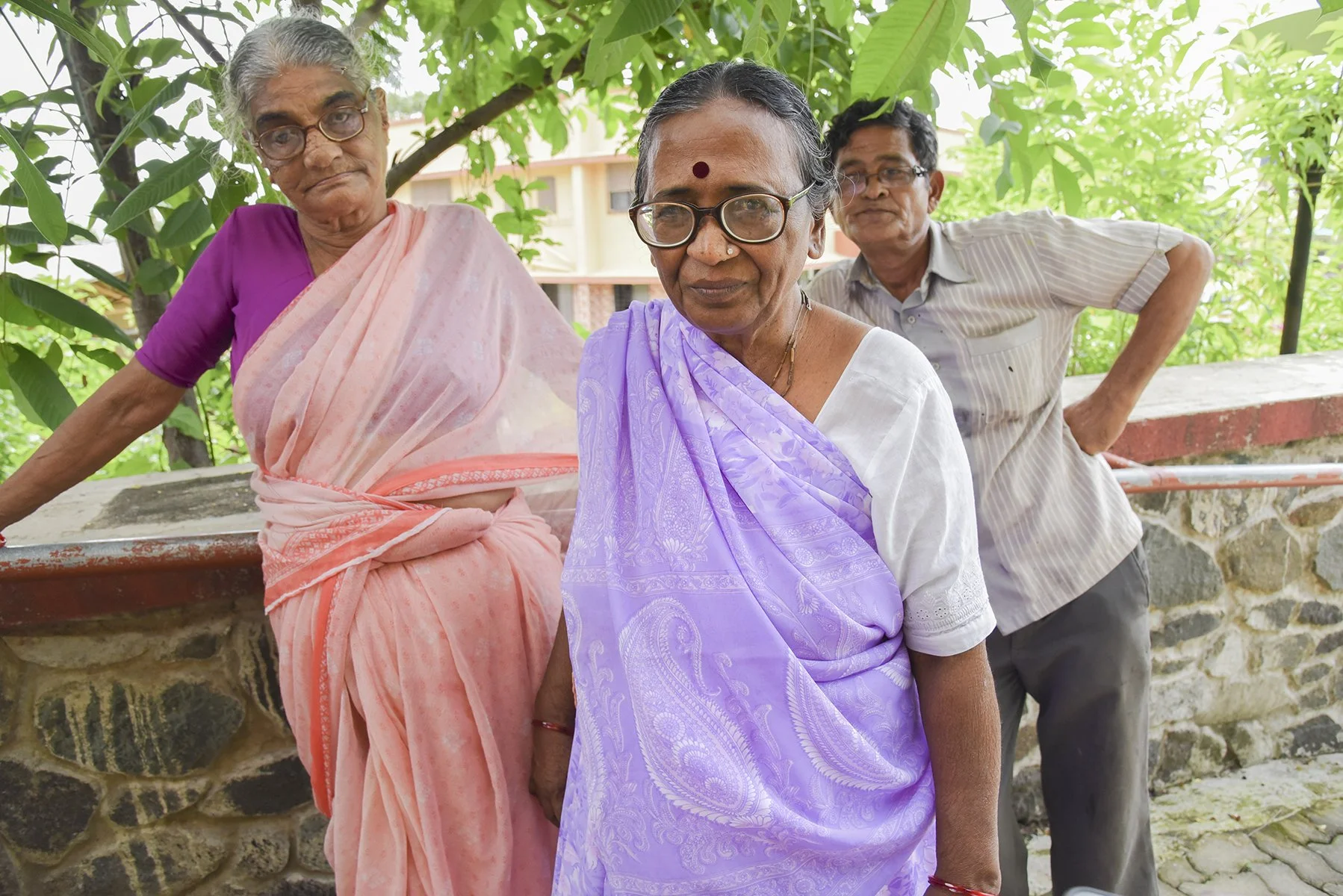
In 2017 I photographed the ADI International Conference in Japan, followed by a project in India. My images ended up as key visual aids for major international presentations including when dementia was brought to the stage at the World Health Organization Summit in Geneva.
The anxious overachieving artist with something to prove had apparently proven it.
My Big Break


From Side Hustle to Something Bigger

Back home I started picking up mural and chalk art gigs enough to make a little money while bartending full-time, but I struggled to see myself as a "real" artist. I realized I wasn't alone. So many talented people in our community had no idea how to turn creativity into a livelihood.
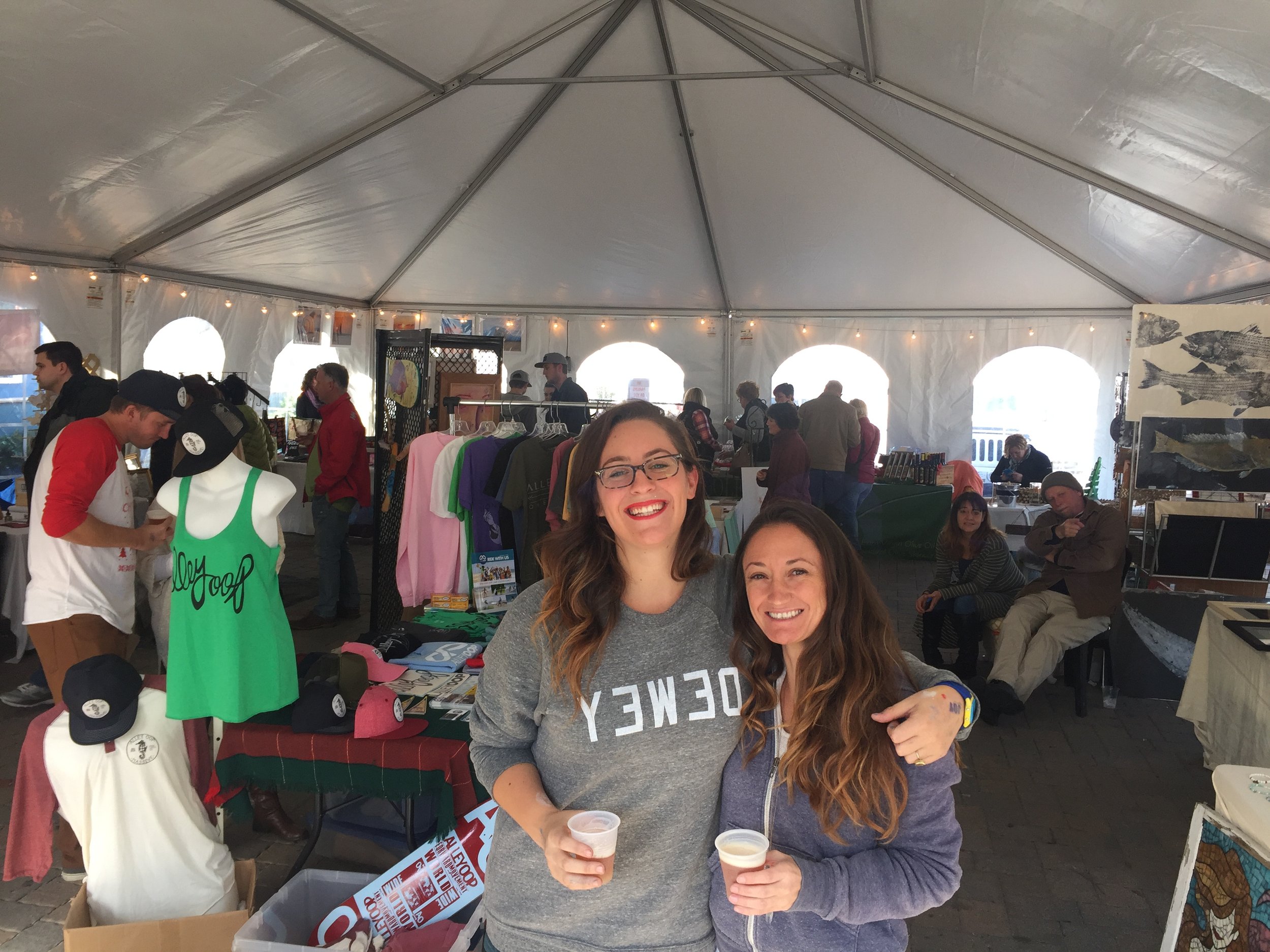
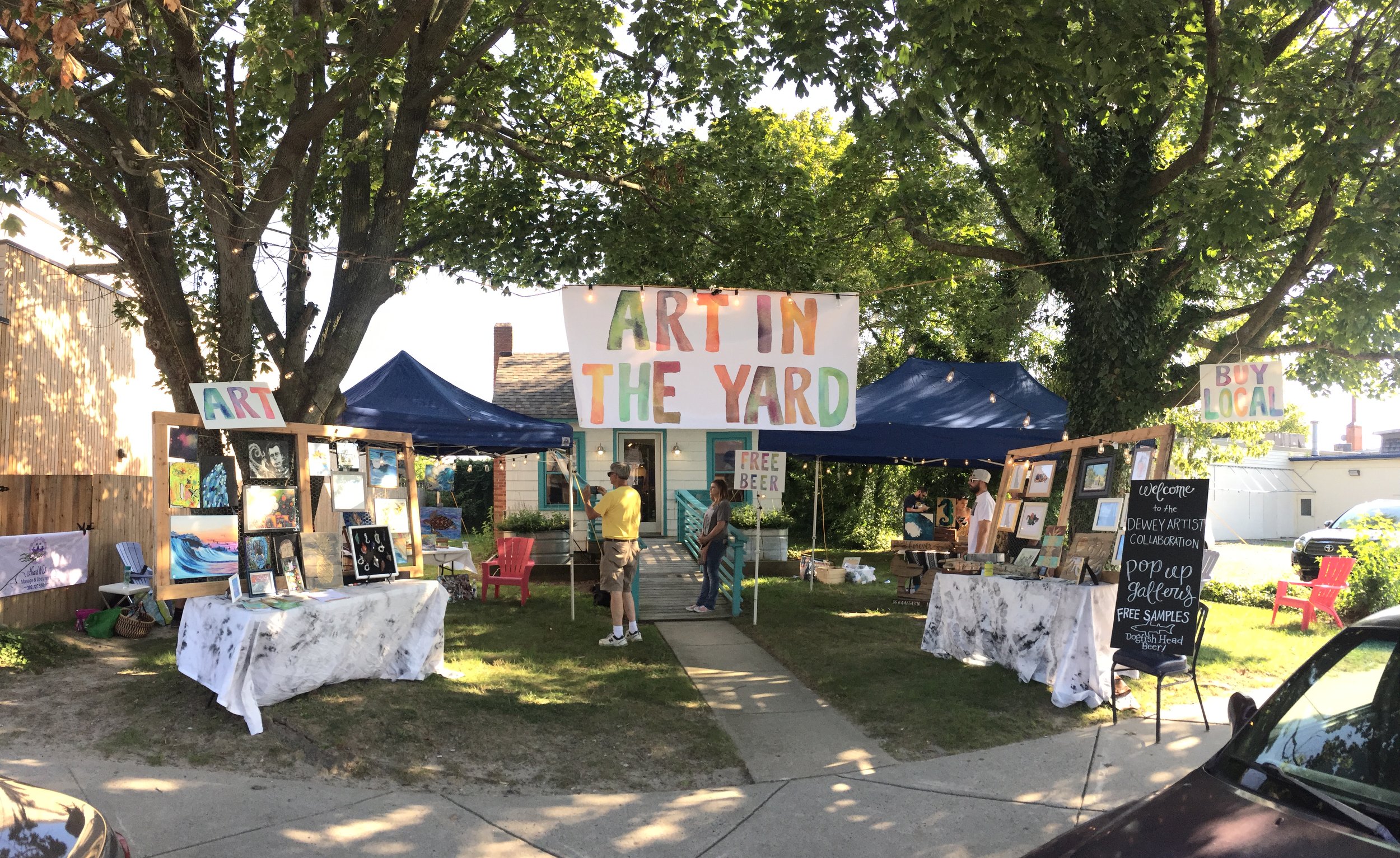
So we started small as a holiday art sale at the Starboard in Dewey Beach. Then pop-up art shows… like a ton of pop-up shows. Enough that I realized we needed to make it official and in 2017 I founded the “Dewey Artist Collaboration”.
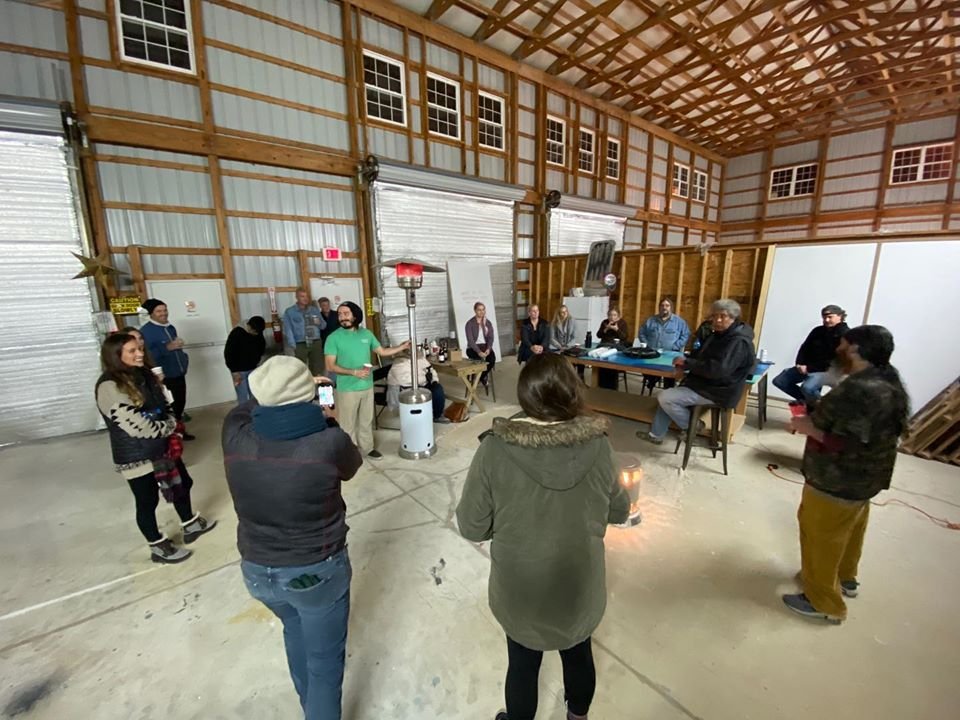
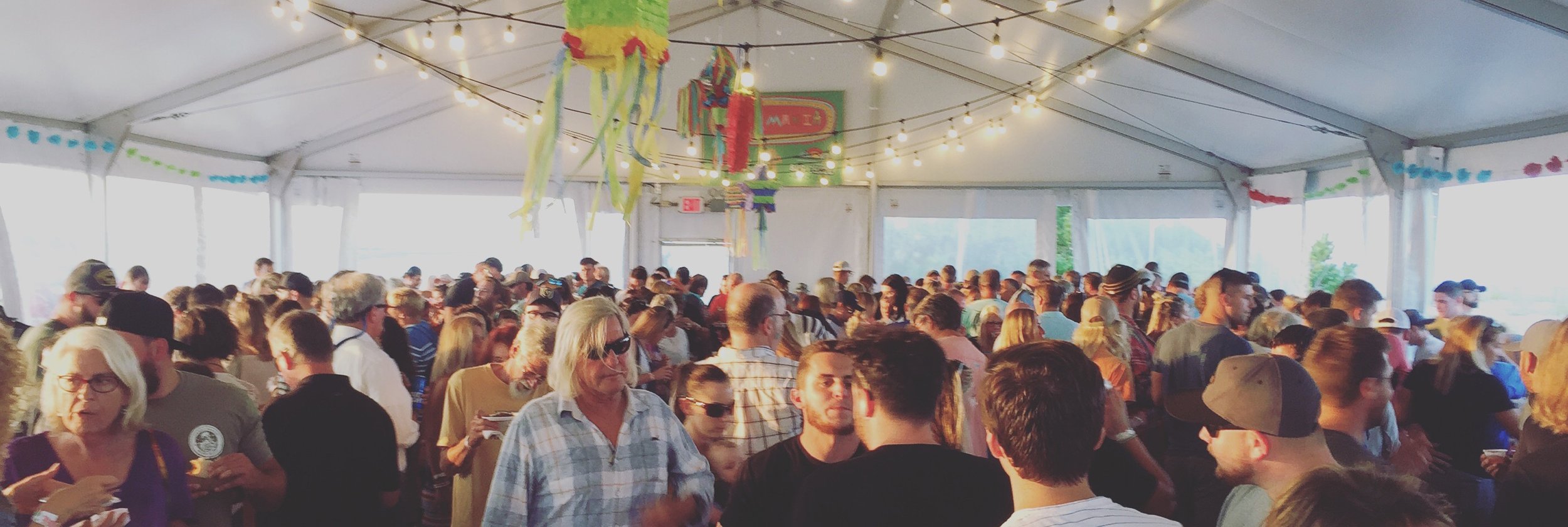
With zero business training I dove in headfirst, which led to a lot of creative problem solving. We got denied our 501c3 so I incorporated as an arts education organization instead… which, it turns out, unknowingly set us up perfectly for everything that came next. We transformed empty warehouses, hosted over 100 events by 2018, launched programs, and built a team.
Most organizations fail in their first five years. DAC could have been one of them. But I was determined to keep it alive — not just for me, but for the artists counting on it.




Closing the Chapter on Global Dementia
In July 2018 I was commissioned by UK-based dementia organizations to continue the work in India. Six whirlwind days in Mumbai, photographing patients in the city and surrounding rural areas alongside ARDSI, a remarkable dementia advocacy organization.
It was the first time I'd been paid for this work. And somehow that changed everything. The pressure to perform under commission, while barely making ends meet at home, took a real emotional toll. The project stopped feeling like a calling and started feeling like a job.
A few months after I wrapped, the organizations that commissioned me were dissolved by the government. It felt like the universe making the decision for me.
I think about that moment a lot. Choosing to move forward as a founder rather than a photographer was one of the biggest pivots of my life. I didn't know it yet, but I was exactly where I needed to be.



Picking Up the Paintbrush

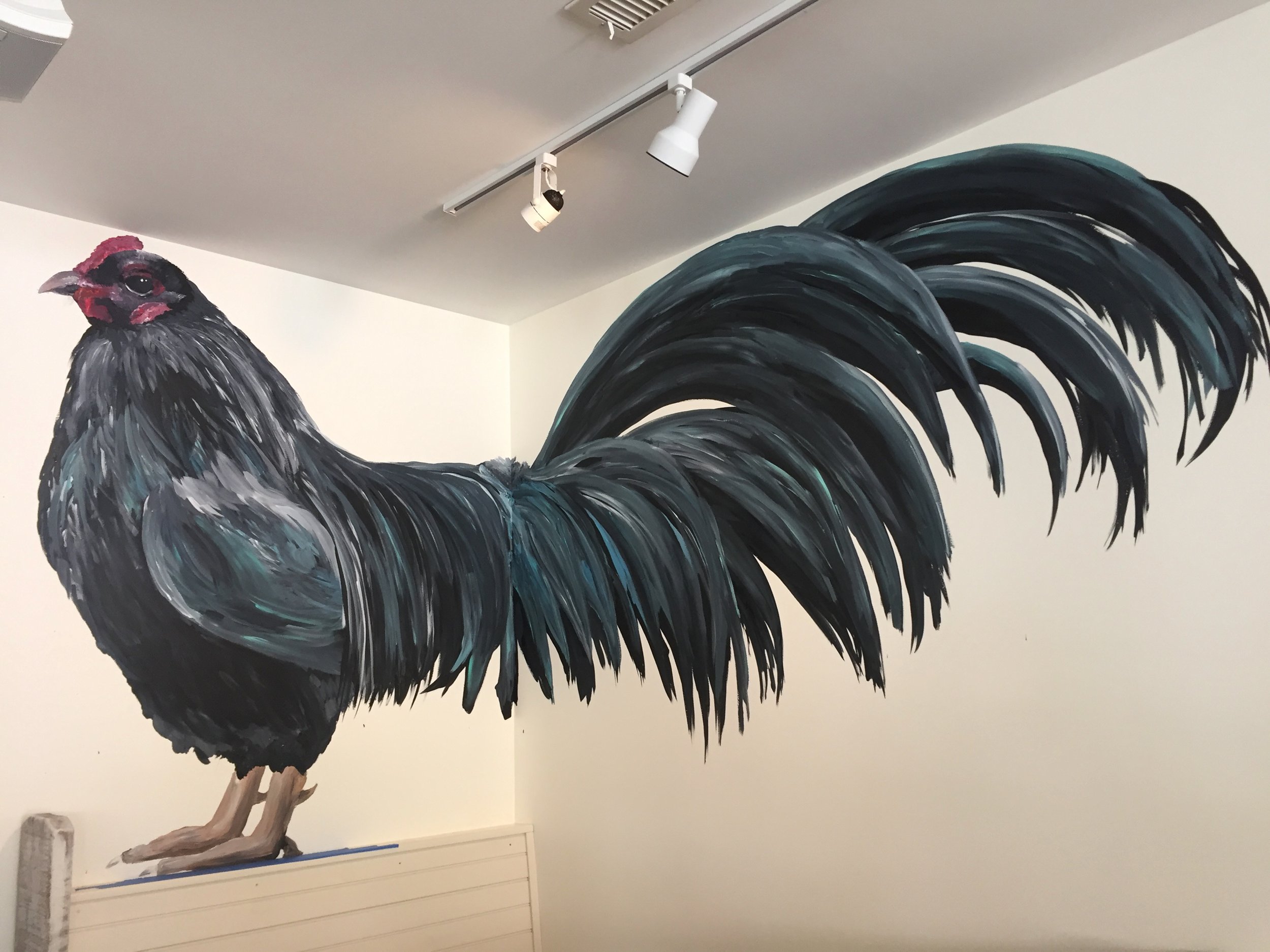
For years I'd been creating murals and expressive art collections on the side, searching for my signature style while DAC consumed most of my energy.
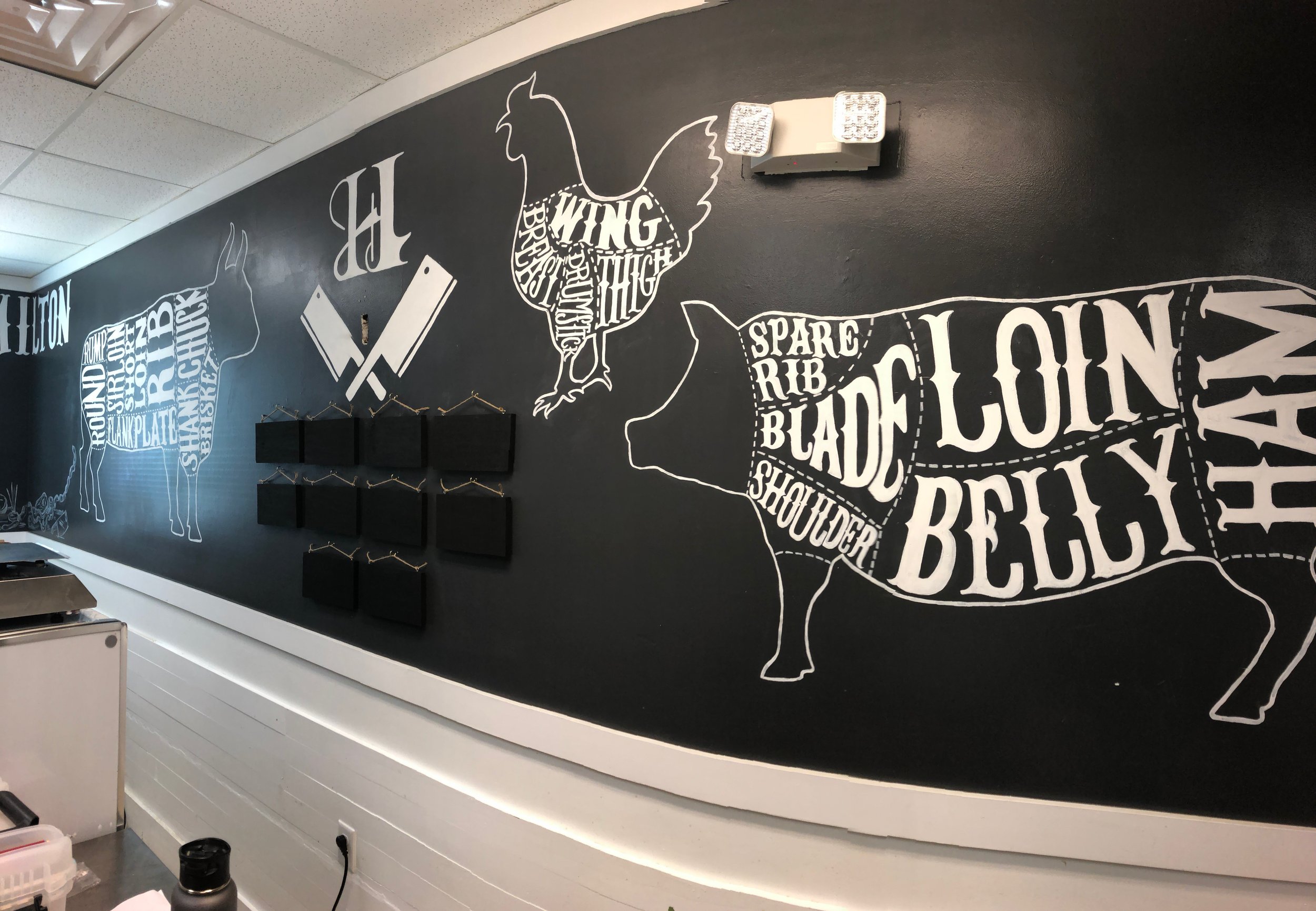
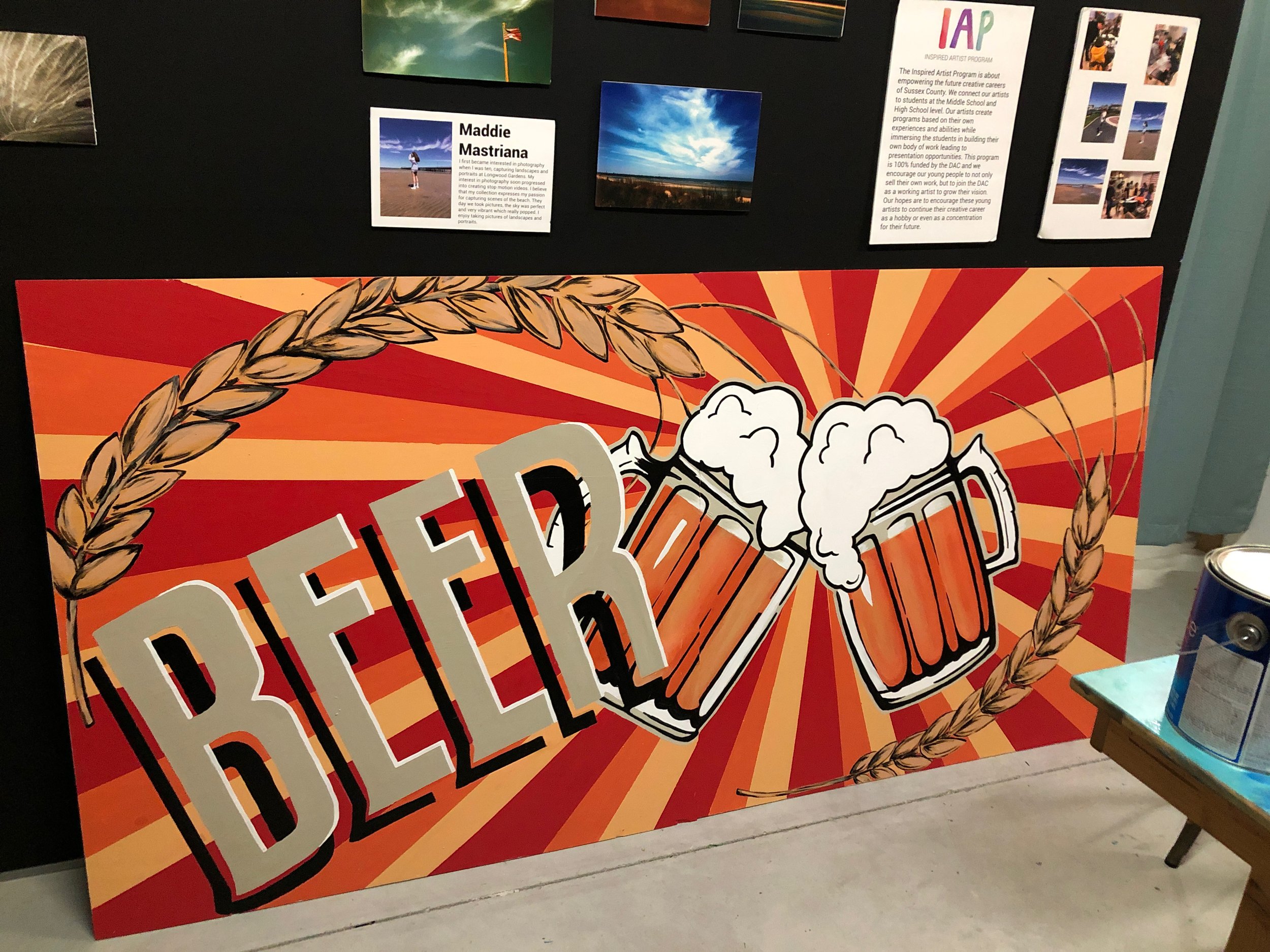
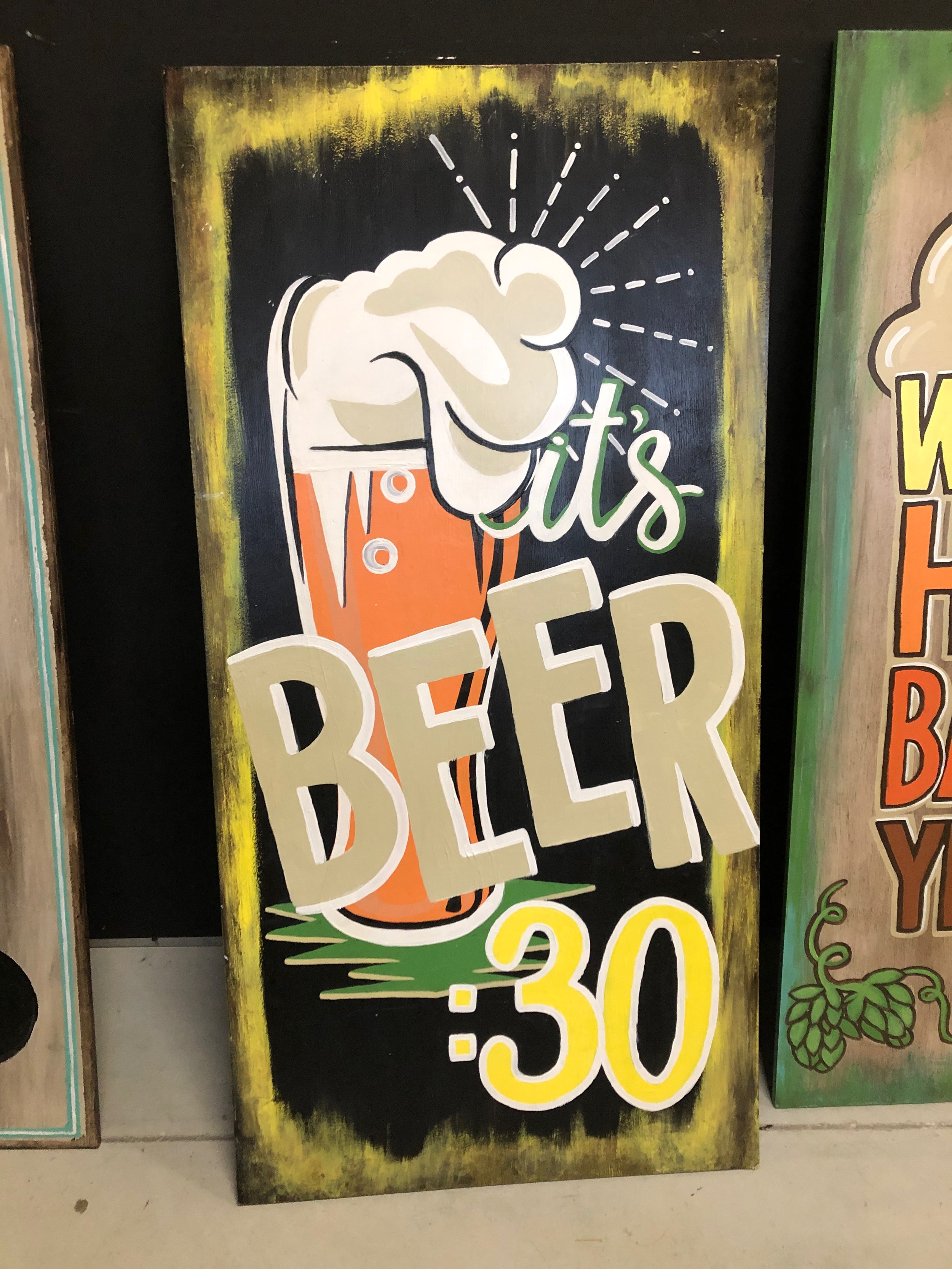
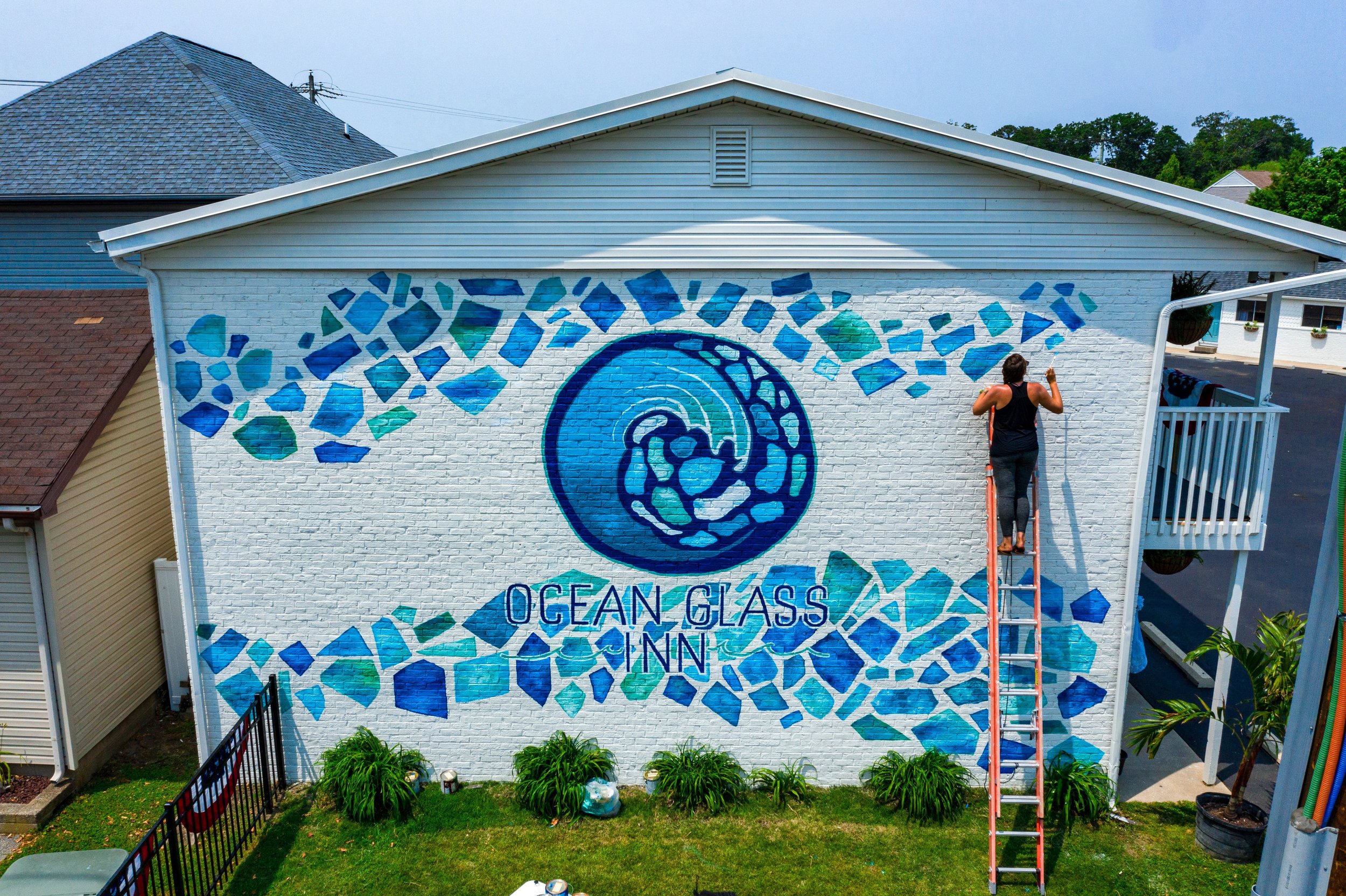
After India I put down the camera and committed to building a real art business — not chalkboards paid in "exposure," but actual work that could support me while I grew DAC. There weren't many resources for working artists figuring this out, so I did what I always do: figured it out myself. Before long I was one of the go-to mural artists on the Delaware beaches.
What I didn't realize was that everything I was learning pricing, clients, creative sustainability… that was exactly what DAC needed to become. I was building the curriculum by living it.





Connecting with My Purpose Again
In January 2019 I felt the pull to pick up my camera again. I'd always been drawn to Haiti, and after some searching I found the Community Health Initiative — an organization training Haitian Community Health Workers by placing doctors and nurses in remote areas. I cold-emailed them and asked if I could come document their work. They said yes.
I photographed inside hospitals, assisted in surgeries, hiked to remote villages. I fell in love with it completely.
After the ethical weight I'd carried from India, Haiti reminded me why I started taking photos in the first place. To tell stories that matter, with honesty and heart.


The Pandemic Story
Before the pandemic DAC was finding its rhythm with consistent pop-up galleries, artist studios in two warehouses, a DIY creative space we launched in 2019.
Then March 2020 hit and we had barely enough funds to survive the month. So I did what I always do: improvised. I used my mural business to keep DAC alive, slamming out murals on weekends, loaning the money to DAC for supplies, and pivoting our in-person DIY projects into take-home kits overnight. The e-commerce took off faster than I expected, shipping to all 50 states by the end Spring.
From there things genuinely snowballed. I transformed an old adult day care into 18 rentable artist studios, turned empty parking lots into bustling public art markets, launched a national e-commerce art kit business, and built the artist development program that became Emerge. In two years DAC went from under $100,000 annually to over $300,000. That momentum earned us a $150,000 grant from the Longwood Foundation and the first time I felt like someone official believed in what we were building.
But growth came at a cost. I was still painting murals to pay myself, learning cash flow on the fly, often going unpaid. I was running faster than I understood how to run.

The Medium Was Never the Point
In 2021 the Art Therapy Director of a military hospital in Bethesda approached me about a complex mural project a safari-themed installation for a pediatric unit serving patients newborn to 22, that couldn't be painted directly on the walls.
Over two years I designed a custom sunset-to-sunrise mural on my iPad, hand-painted 32 animals in my studio, had each piece scanned and scaled into life-sized decals, and finished it with a hand-painted horizon line that tied the whole unit together.
It's one of the things I'm most proud of in my life.
For a long time I thought photography was the tool I was meant to use to change things. Then it was murals. But I've come to understand it was never about the medium. It was always about me. I was put here to create things that move people. That's the thread that runs through everything.

When Growth Outpaced Structure
My 2022 DAC looked wildly successful from the outside. Major grants. Four physical spaces. The West Side Creative Market launching. The Emerge program building momentum. The largest mural of my career just completed.
It was a lot. And underneath all of it, the foundation hadn't caught up with the ambition.
I was still leading like a scrappy early-stage founder while running a half-million-dollar organization. Making fast decisions without understanding cash flow, carrying too much personally, not asking for help, building forward without reinforcing anything underneath.
I was about to learn that lesson the hard way. Again.
The 3 Year Challange
At the start of 2023 dissolving DAC was a real possibility. From the outside it looked like a funding problem. In reality it was a leadership problem... mine.
I had wrapped my entire identity into the survival of the organization. I confused being indispensable with being valuable. I led from urgency instead of steadiness, willpower instead of structure. DAC had grown fast. I hadn't kept up. And the victim mindset was the only place I knew how to live.
So I did something I'd never really done before — I asked for help. Like real, legit help. I started doing the personal growth work I'd been avoiding for years. I restructured leadership, tightened finances, and learned to build actual systems. I had to become a genuinely different kind of leader, which meant first becoming a completely different version of myself.
It was humbling and necessary, and it took a long time because I was terrified to fail. But honestly it was the beginning of everything good that came after.
The Year I Almost Walked Away
2023 was the year I had to get really honest with myself about whether I even wanted this life anymore.
I went part time with DAC because I was exhausted and reactive and stuck in patterns that weren't serving anyone. I'd built something powerful while quietly unraveling inside it. So I made a decision to stop blaming circumstances and actually do the work.
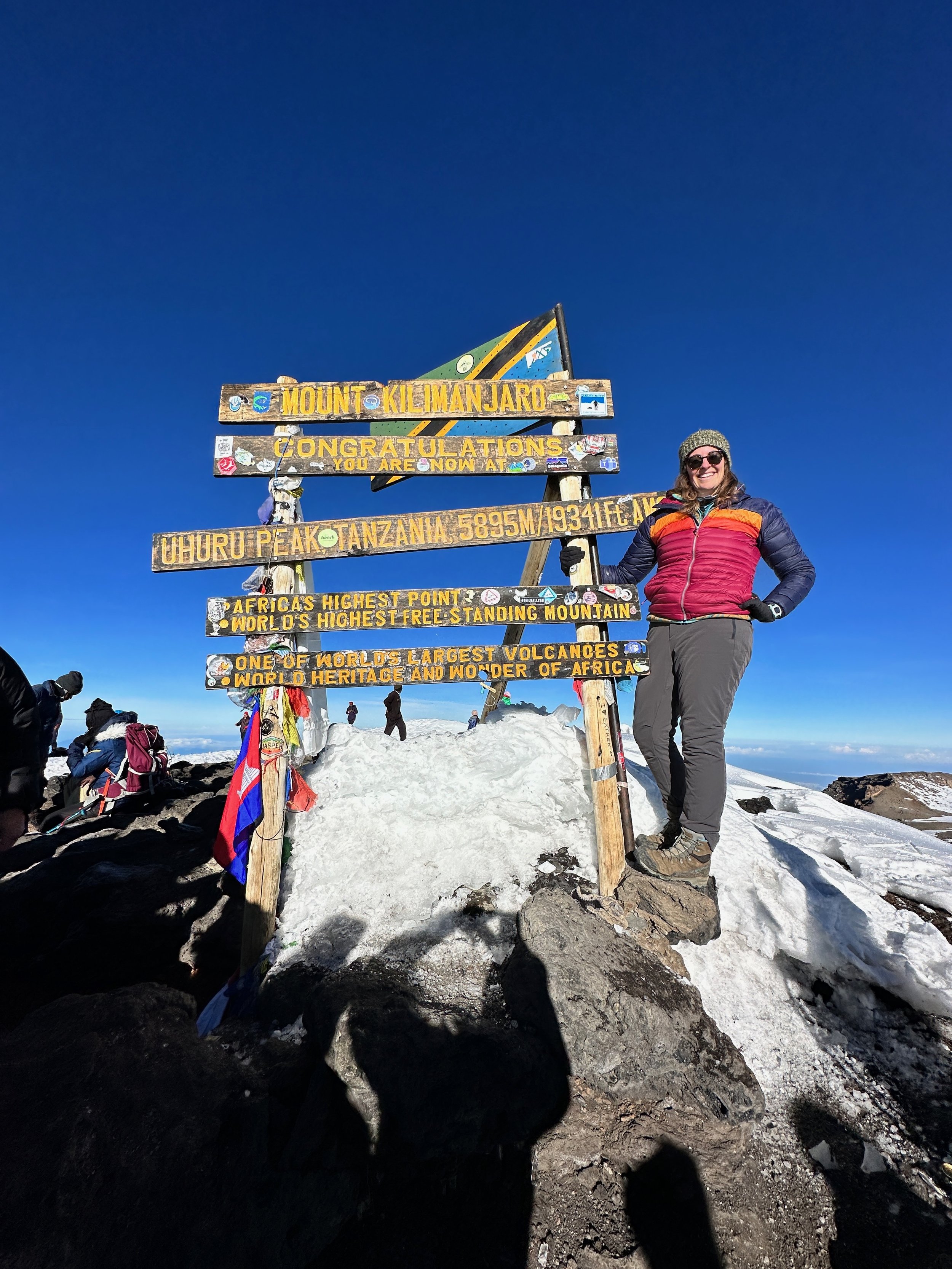
I started 2024 on top of Kilimanjaro. And I want to be clear, that wasn't an Instagram moment. It was a line in the sand. I publicly announced I was leaving DAC to start something new because I genuinely believed my next chapter might not include it.
That's when things got interesting.
I surrounded myself with people operating at a higher level than I had before. I stopped being the emotional center of everything. And something shifted. I didn't need to abandon DAC… I needed the space to evolve inside it.
Turns out those are very different things.
2025 was not glamorous. It was surgical.
I entered the year with nine full-time staff and an annual budget that could sustainably support about half that. Too many programs, not enough revenue, and I had tangled my closest personal relationships so deeply into the team that cutting programs meant letting down the people who had stood by me through the hardest parts of building this thing.
I did it anyway. We let go of our Studios building, demolished when we moved out. The DIY programs that once saved us were dissolved. We eliminated the Dewey Sip and Shop after ten years of working through Thanksgiving. We narrowed everything through one question: is this scalable, sustainable, or aligned? If not, it was gone.
For years I built expansively. In 2025 we refined intentionally. And it cost me people I loved.
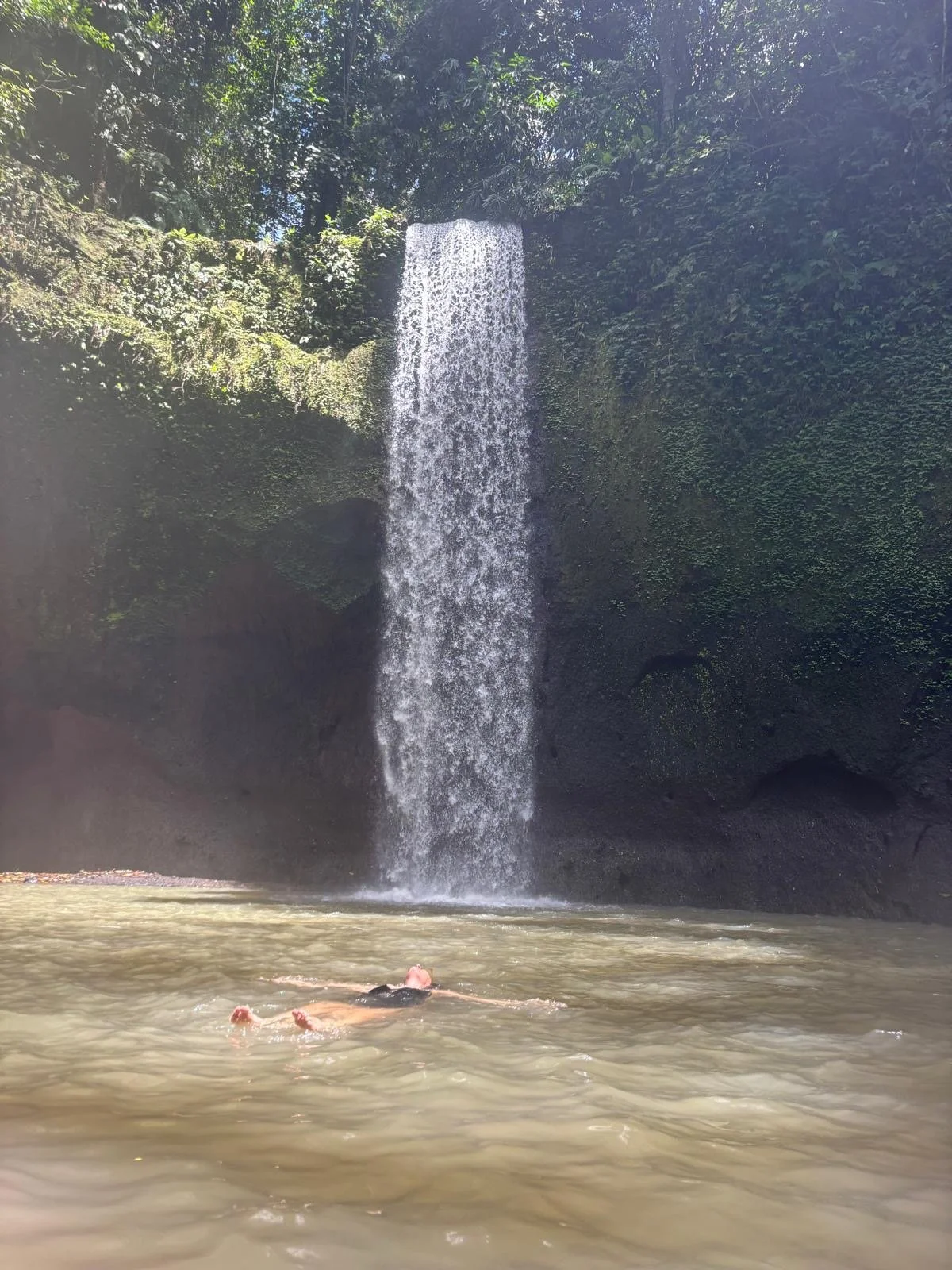
In the fall I went to Indonesia and spent seven days at a neurogenic reset retreat in Bali called Humon — the first real time off I'd taken in years. I reconnected with myself and found what safety could actually feel like as a leader.
When I returned home, I had 100% staff turnover. I entered 2026 running DAC completely alone, with one part-time hourly staff member and a kickass Board of Directors.
The hardest part wasn't losing the programs. It was losing the people.
And somehow, it's also been the most clarifying chapter of my life. Surrender isn't giving up. It's finally letting your purpose take you where it actually needs to go.
Where I Lead Now
I no longer build from survival. I build from curiosity. I lead with an open heart, which is scarier than anything I've done before and also the most alive I've ever felt.
DAC is lean, focused, and still very much mine. The difference now is I'm not white-knuckling it anymore. I'm not the only one holding it. We have real leadership, real structure, and a clearer vision than we've ever had.
And alongside all of it, I keep saying yes to what's calling me next.
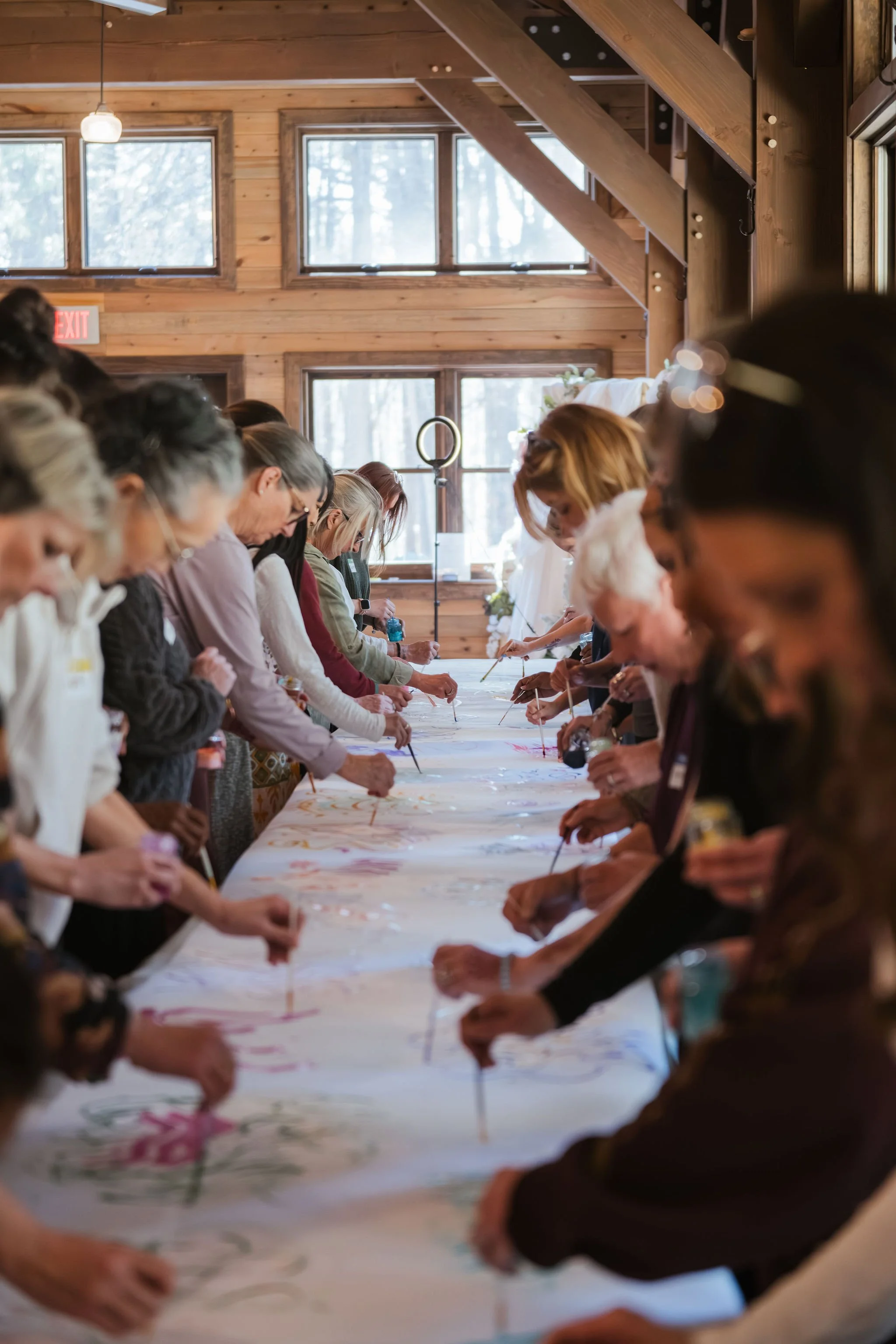
Purpose in Progress is where all of it lands — the photography, the murals, the decade of building, the loneliness, the unfolding. I walk into a room with paint and music and a mega canvas big enough for everyone. And I watch people touch something true in themselves, maybe for the first time in years.
It was never about the medium. It was never about the organization. It was always about the room, and it was always about this.
Love my story? Let’s work together.
Bring Purpose in Progress to Your Room
Purpose in Progress is a structured experiential workshop designed for leaders, founders, and creative thinkers navigating growth in real time. This is not surface-level inspiration. It’s identity work, leadership clarity, and practical integration delivered through a collaborative abstract painting experience that makes the experience unforgettable.
Learn About DAC & The Emerge Program
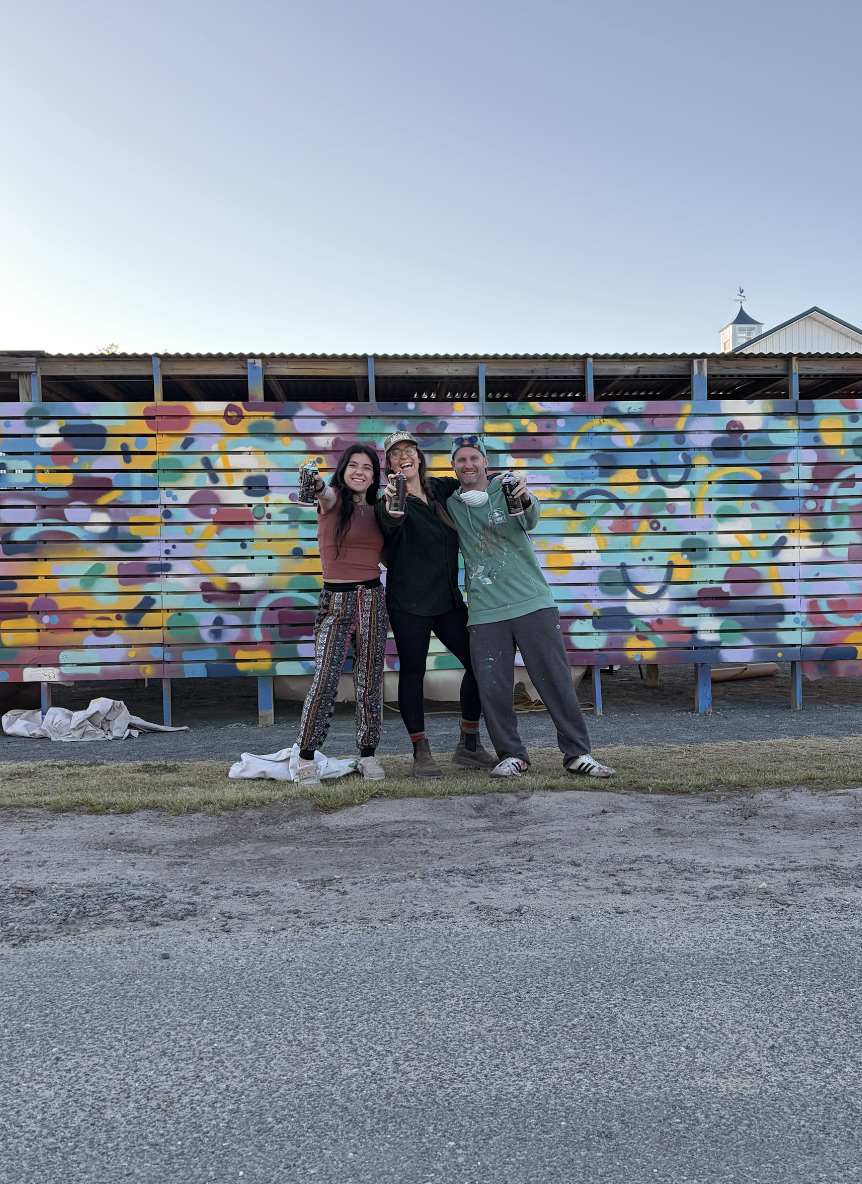
DAC is the organization I've spent a decade building, bleeding for, and learning everything from. It's still very much alive and still very much mine. If you're an artist building a creative business, or you want to understand the ecosystem that made all of this possible, come see what we've built.